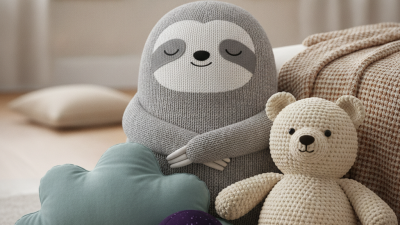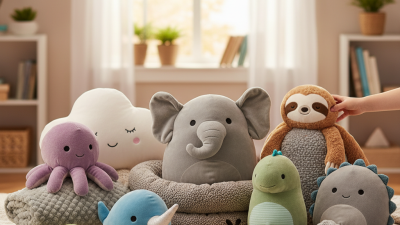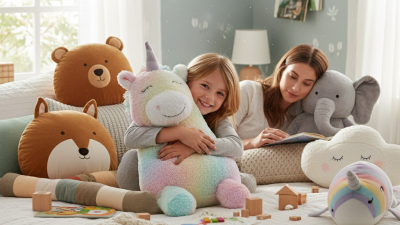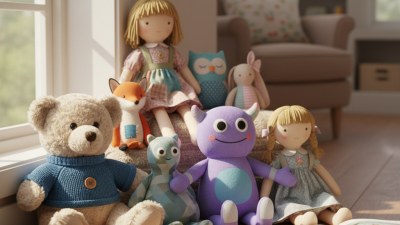
The 2026 wholesale market for Weighted Plush Toys is becoming more specialized, not simply larger. Buyers now compare emotional appeal, sensory function, safety documentation, and repeat-order potential. Grand View Research estimates that the global stuffed toys market reached approximately USD 10 billion in recent years, with continued growth expected through 2030. However, most reports do not separate weighted plush products from ordinary stuffed toys. That limitation matters.
The category remains difficult to measure.
Circana’s toy industry reporting shows that consumers are becoming more selective during uncertain economic periods. Therefore, wholesalers need products with clear value, durable construction, and visible differentiation. A soft bear with a removable washable cover, balanced filling, reinforced seams, and a clear weight label may outperform a cheaper novelty item. Buyers should also review age grading, material testing, packaging claims, minimum order quantities, and lead times. These details directly affect returns and retailer confidence.
Dr. Winnie Dunn, a leading sensory-processing researcher, states, “People have different ways of responding to sensory events.” Her principle supports careful product selection rather than one-size-fits-all marketing. A weighted plush toy may feel calming to one user, yet uncomfortable to another. That point deserves more attention.
This guide evaluates the 2026 best Weighted Plush Toys for wholesale buyers through practical criteria, including supplier reliability, product consistency, sensory positioning, compliance records, and profit potential. Some market forecasts appear optimistic. They should be questioned, not copied. The strongest buying decision may involve fewer designs, better documentation, and realistic reorder evidence.
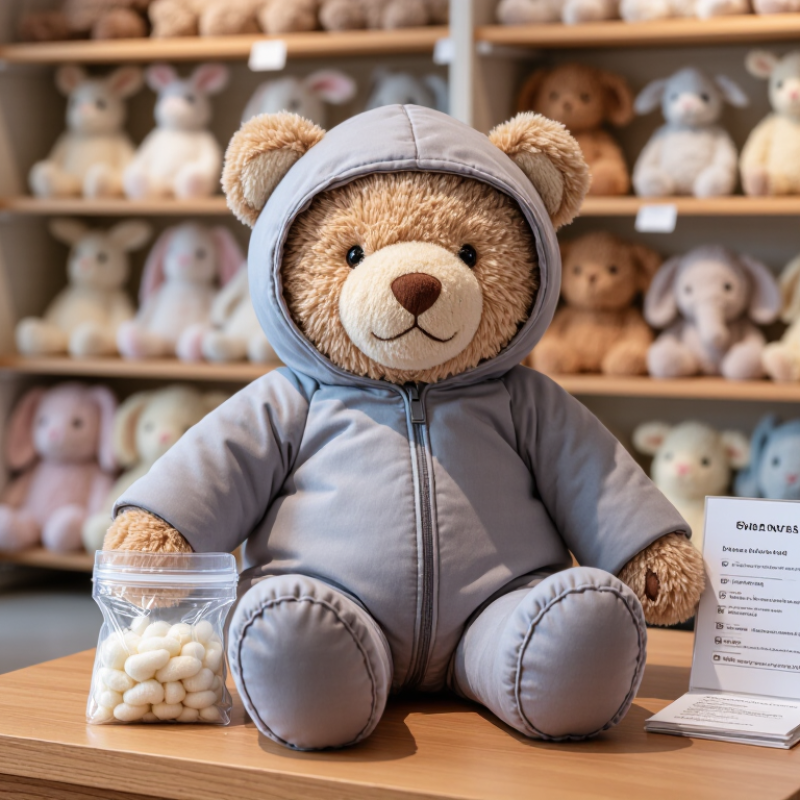
Weighted plush toys are soft companions containing measured internal weight, usually in sewn pouches or evenly distributed beads. Their gentle resistance may provide calming proprioceptive input, similar to the body-awareness pressure used in some sensory routines. They do not “switch off” anxiety. Not a cure. Results vary by child, setting, and weight design. A 2024 Grand View Research analysis placed the global sensory toys market in the billion-dollar range and forecast continued growth through 2030. This expansion reflects demand, not proof that every weighted product works.
For wholesale buyers, construction matters more than a cute surface. Look for balanced filling, reinforced seams, washable covers, clear age guidance, and documented material testing. The weight should not shift into one hard corner when the toy is lifted. That small detail affects comfort and durability. A 2023 review in the American Journal of Occupational Therapy noted limited, mixed evidence for weighted sensory products, so product claims should remain careful and specific. Avoid medical promises. Ask suppliers for test reports, filling specifications, and sample inspections before placing bulk orders. I would also test the toy after repeated washing, because early samples can hide weak stitching. The market rewards novelty, but safety and consistent manufacturing build repeat wholesale sales.
2026 Best Weighted Plush Toys for Wholesale Buyers?
When assessing weighted plush toys, start with the weight itself. Ask for a tolerance range, not a single advertised number. A sample may feel balanced, but production units can vary. Check the filling placement by holding each side. Uneven weight feels uncomfortable and may reduce customer trust. Choose soft outer fabric with dense stitching. Short, durable fibers usually withstand repeated handling better than loose, fluffy surfaces. Inspect seams closely.
Safety documentation deserves equal attention. Request material information, age guidance, and recent laboratory reports for the finished product. Confirm that internal pellets remain enclosed after pulling, squeezing, and repeated washing. A removable, washable cover can improve hygiene, but zippers need secure stitching. Avoid products with small detachable decorations. They complicate safety checks and increase return risks. Packaging should protect the plush without adding excessive shipping volume.
Wholesale buyers should also test consistency across several samples. One perfect piece proves very little. I once focused too heavily on softness and overlooked a slightly weak corner seam. That mistake would have become expensive at scale. Compare carton dimensions, unit weight, labeling space, and replacement policies before ordering. Ask whether suppliers can maintain the same filling, fabric color, and stitching method across batches. Keep records of every approved sample. Details become important later.
For 2026 wholesale buying, weighted plush toys should match a clear customer need. Small weighted animals suit children who want a familiar companion during travel or quiet time. Their compact bodies fit backpacks, but buyers should check stitching and seam strength carefully. Lap-sized plush pads work better for classrooms, reading corners, and home relaxation. They should rest evenly across the legs without feeling stiff or bulky.
Sensory-focused buyers may prefer plush toys with varied textures, such as ribbed fabric, soft fur, or embroidered panels. These details create tactile interest without adding loose parts. Larger weighted plush toys can attract gift shops and comfort-oriented retailers. However, excessive weight may reduce portability and increase handling concerns. A balanced filling is essential. Glass beads, plastic pellets, or similar materials should remain securely sealed inside inner compartments. Details matter.
Wholesale buyers serving hospitals, care facilities, or therapy settings need simple cleaning instructions and durable, skin-friendly fabrics. Washable covers can improve product rotation and reduce replacement costs. For travel retailers, choose lighter designs with discreet weight distribution and compact packaging. For children’s stores, age guidance, accurate weight labels, and tested materials deserve close attention. These points are practical, not decorative. Some buyers may overestimate novelty and underestimate returns caused by poor stitching or uneven filling. That is an easy mistake. A reliable supplier should provide sample inspections, production records, and current safety documentation before large orders are approved.
| Weighted Plush Toy Type | Typical Unit Weight | Best Buyer Need | Common Filling | Typical Product Size | Recommended Retail Positioning | Key Wholesale Advantages | Important Compliance and Safety Checks |
|---|---|---|---|---|---|---|---|
| Weighted Lap Plush | 1.0–2.5 kg (2.2–5.5 lb) |
Calming comfort for seated use at home, in classrooms, offices, and waiting areas | Encapsulated glass beads or plastic pellets in a sewn inner pouch; polyester fiber in the outer body | 35–55 cm long | Home comfort Education |
Large visual appeal, easy to merchandise, suitable for gift sets and seasonal displays | Secure internal compartments; strong seam testing; no accessible loose filling; clear age guidance; wash-care instructions |
| Weighted Animal Plush | 0.5–1.5 kg (1.1–3.3 lb) |
General comfort, gifting, bedroom décor, and family-oriented retail | Glass beads or polymer pellets distributed through the body and limbs | 25–45 cm high | Gift retail Lifestyle |
Broad character selection, strong shelf presence, and flexible price architecture | Embroidered facial details are preferable for younger users; test eyes, noses, seams, stuffing, and small-part accessibility |
| Weighted Neck and Shoulder Plush | 0.7–1.5 kg (1.5–3.3 lb) |
Adults and older children seeking shoulder or neck comfort while reading, traveling, or resting | Flexible bead-filled sections with polyester fiber padding | 45–65 cm long | Travel Adult wellness |
Compact shipping profile, premium feel, and good suitability for wellness-focused assortments | Balanced weight distribution; no excessive pressure around the neck; secure closures; avoid unsubstantiated therapeutic claims |
| Weighted Hand-Held Plush | 0.2–0.7 kg (0.4–1.5 lb) |
Portable tactile comfort for travel, desk use, waiting rooms, and impulse purchases | Small sealed bead pouch surrounded by soft polyester filling | 15–25 cm | Impulse gift Travel accessory |
Low freight cost, accessible entry price, and easy counter or checkout placement | Check grip size, seam strength, filling containment, and age grading; avoid detachable accessories for products aimed at young children |
| Weighted Sensory Plush Cushion | 0.8–2.0 kg (1.8–4.4 lb) |
Sensory-focused environments, quiet corners, reading spaces, and home relaxation | Multiple internal compartments containing glass beads or polymer pellets | 30–45 cm wide | Specialty retail Sensory products |
Functional shape, differentiated merchandising, and suitability for institutional purchasing | Use neutral product language unless clinically substantiated; verify cover durability, cleaning method, filling migration, and pressure points |
| Weighted Mini Plush Keychain | 0.08–0.25 kg (0.2–0.6 lb) |
Small gifts, promotional bundles, backpacks, and collectible product lines | Lightweight polymer pellets or a compact sealed insert | 8–15 cm | Promotional Collectible |
Very low shipping volume, broad color options, and strong bundle potential | Key rings and cords may create entanglement or small-part risks; confirm applicable requirements for the intended age group and market |
| Weighted Oversized Floor Plush | 2.0–5.0 kg (4.4–11.0 lb) |
Large-format home décor, children’s reading areas, lounge spaces, and experiential retail | Segmented sealed weight inserts combined with high-resilience polyester filling | 60–100 cm | Premium home Experiential retail |
High visual impact, premium pricing potential, and strong showroom or online photography appeal | Reinforced seams and handles; package drop testing; clear lifting and use instructions; confirm that the product is not marketed as a medical device |
Wholesale planning note: Weight ranges are typical product-development ranges rather than universal standards. Final specifications should be selected according to the target market, user age, product dimensions, intended use, packaging, and applicable toy, textile, chemical, flammability, labeling, and small-parts requirements.
For wholesale buyers, safety evaluation should begin with construction, not appearance. Check seam strength, stitched eyes, secure closures, and fabric edges that resist fraying. Ask suppliers for current test reports covering flammability, color transfer, filling safety, and age guidance. Match each report to the exact product and production batch. A certificate with no traceable batch information is weak evidence. Very soft plush can still create risks if loose fibers shed after repeated handling.
Material choices affect comfort, durability, and customer trust. Examine the outer fabric under bright light for thin patches or uneven stitching. Smell the sample after opening its packaging. A strong chemical odor deserves investigation, even when paperwork looks complete. Weighted filling should stay enclosed inside a sealed inner pouch, with no beads shifting into seams. Use a drop test and gentle compression test on samples. Not every supplier welcomes this scrutiny. That is useful information.
Size and weight distribution require hands-on checks. Compare the listed dimensions with actual measurements from several units, not one sample. A small plush with excessive weight may feel hard and unstable. Larger designs need balanced filling across the body, rather than one heavy pocket in the base. Place samples on a flat surface and observe whether they tip, lean, or deform. Buyers should record weight tolerance, stitching results, odor changes, and washing performance. Sampling every batch costs more, but skipping it can cost far more. A perfect prototype can still hide inconsistent factory production.
2026 Best Weighted Plush Toys for Wholesale Buyers?
Wholesale Pricing, Suppliers, Customization, and Order Planning
Wholesale pricing depends on filling weight, fabric quality, stitching, packaging, and order volume. A small weighted plush may cost more when it uses dense, evenly distributed filling. Ask suppliers for tiered quotes at 100, 500, and 1,000 units. Request samples before comparing final prices. Sample costs can reveal hidden differences.
Choose suppliers that provide clear production records, material details, and consistent communication. Ask where the filling is sourced and how seams are tested. Review product safety documents for your target market. A factory visit helps, but remote audits can still uncover weak packaging or poor storage. My first forecast was too optimistic. Delays often begin with fabric approval.
Customization may include size, fabric color, embroidery, filling weight, hangtags, and gift boxes. Keep the first design practical. Extra pockets, complex shapes, or several fabric types can increase defects and setup fees. Confirm artwork files, approved samples, carton dimensions, and labeling details in writing. Small changes matter.
Order planning should cover sampling, production, inspection, shipping, and seasonal demand. Leave extra time before major holidays. A realistic purchase plan includes a 5–10% reserve for replacements or quality adjustments. Do not rely only on the supplier’s fastest estimate. Ask for a production schedule with checkpoints. Soft products still require disciplined planning.
This planning chart compares five common weighted plush toy size categories using a 500-unit wholesale order scenario. Total shipment weight is calculated from the average product weight per unit, helping buyers estimate freight requirements, carton capacity, and order quantities before requesting supplier quotations. Final pricing and shipping costs vary according to materials, customization, packaging, certification, and destination.