Top 10 Best Stuffed Toys for Global Buyers in 2026?
In the ever-evolving world of toys, stuffed toys remain a timeless favorite. As we approach 2026, the market is gearing up to showcase an exciting array of new designs and themes. These toys are not just for children; they resonate with all ages, bringing comfort and joy. Each stuffed toy tells a story, offering companionship to those who seek it.
When selecting the best stuffed toys, several factors come into play. Quality materials are crucial for safety and durability. Parents look for toys that can withstand rough handling. Soft textures and adorable designs attract buyers. Brands that prioritize these qualities gain trust in the crowded marketplace.
However, it's essential to recognize that not all stuffed toys meet expectations. Some may fray or lose their shape quickly. Reviews and recommendations become key for discerning buyers. This hunt for the perfect stuffed toy can certainly be challenging, and it invites reflection on the importance of informed choices in a vast market.
Top Trends in Stuffed Toys for Global Buyers in 2026
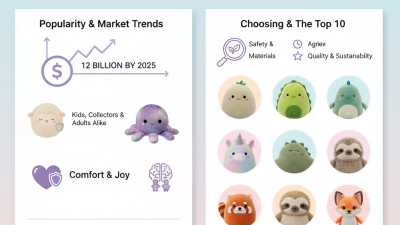
As we dive into the trends for stuffed toys in 2026, several key insights emerge. The global stuffed toy market is expected to reach approximately $11 billion by 2026, growing at a steady rate. Sustainability is a major focus for manufacturers. Eco-friendly materials are becoming standard. This reflects consumers' increasing demand for environmentally responsible products.
Innovative designs are another trend driving purchases. Interactive toys that respond to touch or voice are gaining popularity. These toys promote engagement and learning, making them attractive to parents. A study indicated that 65% of consumers are willing to pay more for tech-integrated toys. This signifies a shift towards educational value over traditional play.
However, not all trends are seamless. The supply chain for sustainable materials can be complicated. Some manufacturers struggle with sourcing reliable eco-friendly options. Quality control issues have surfaced as a concern. Additionally, while tech features are enticing, they may not suit every child's preference. Finding a balance between tradition and innovation poses a challenge for the industry moving forward.
Key Factors Influencing Stuffed Toy Purchasing Decisions
When it comes to purchasing stuffed toys, various factors come into play. The emotional connection to the toy remains paramount. According to a 2022 survey by the Toy Association, about 70% of buyers seek toys that evoke nostalgia or comfort. This trend indicates that emotional value often outweighs mere aesthetics. Parents often choose toys that their children can form bonds with, impacting their purchasing decisions significantly.
Another critical factor is safety and sustainability. Reports by the International Toy Safety Consortium reveal that 85% of consumers prioritize non-toxic materials and eco-friendly production. Buyers are increasingly aware of the environmental implications of their choices. Parents want reassurance that the toys their children hug are safe and responsibly made. Transparent sourcing and manufacturing practices influence brand trust tremendously.
Lastly, digital engagement shapes purchasing habits immensely. A report from Global Toy Experts indicated that nearly 65% of buyers engage with brands through social media before making a decision. Brands that successfully connect with consumers online often enjoy better sales. However, some companies neglect this critical aspect, leading to missed opportunities in a rapidly evolving market. Marketers must consistently evaluate their digital strategies to maintain relevance in the hearts of buyers.
Sustainability and Eco-Friendliness in Stuffed Toy Manufacturing
Sustainability is a growing concern in the stuffed toy industry. Consumers are more aware of the environmental impact of their purchases. Eco-friendly materials are becoming essential in production. From organic cotton to recycled plastic, companies are exploring greener options. This shift promotes better practices in toy manufacturing.
Many manufacturers are adopting ethical sourcing practices. They aim to reduce waste and use sustainable resources. Yet, the journey is not without challenges. Implementing these changes can be costly and complex. Not all companies prioritize sustainability, raising questions about transparency. Buyers must research brands to ensure they align with eco-friendly values.
Innovation in this sector is exciting, yet imperfect. Some toys may still use harmful dyes or preservatives. Ongoing research aims to minimize these issues. Balancing fun and safety with sustainability is crucial. Collectively, buyers and manufacturers can push for better practices.
Innovative Features and Technology in 2026's Best Stuffed Toys
In 2026, stuffed toys will evolve into remarkable companions. These toys will incorporate interactive features that engage children’s creativity and imagination. Advanced sensors will allow the toys to respond to touch and movement, creating a more dynamic play experience. Children will enjoy using their toys in storytelling and role-playing, enhancing cognitive development.
New materials will be key in the design of stuffed toys. Eco-friendly, hypoallergenic fabrics will ensure safety and sustainability. Many toys will feature removable parts for easy cleaning. This will address the common concern of keeping toys hygienic while still being fun to play with. Additionally, voice recognition technology will enable toys to understand simple commands. This feature may encourage linguistic skills in young users.
However, the reliance on technology may spark debates on moderation. Balancing screen time and playtime will be essential as these toys become more advanced. Parents may feel the need to set limits to encourage traditional play, fostering social interactions. While innovation brings excitement, it's crucial to remember the importance of simple, imaginative play.
Cultural Influences on Stuffed Toy Preferences Worldwide in 2026
In 2026, cultural influences shape stuffed toy preferences across the globe. Different cultures hold unique meanings tied to toys. For instance, in many Asian countries, plush toys often reflect local folklore and mythical creatures. These toys are not just playthings; they represent cultural identity. Children often choose toys that share their cultural heritage.
Western cultures show a contrasting trend. Here, stuffed toys frequently take on a more whimsical style. Cartoon characters dominate the market, influencing children's tastes. However, some children still prefer traditional plush toys that evoke nostalgia. This mix of modern and classic highlights an ongoing reflection on cultural roots and contemporary influences.
Size and design also play a role. In some regions, larger stuffed animals symbolize wealth and affection. Meanwhile, minimalist designs in Scandinavian countries emphasize functionality and simplicity. Preferences are not uniform; they vary widely. This ongoing adaptation demonstrates the dynamic interplay of culture and consumer choice in the stuffed toy market.