How to Choose The Best Soft Plush Toys for Kids?
Choosing the right soft plush toys for kids is essential for their development and emotional well-being. According to a recent report by the Toy Association, the plush toy market has seen a steady growth of over 5% annually. This trend highlights the importance of selecting high-quality, safe, and engaging toys. Parents often overlook the significance of materials and safety standards in their selection process.
Soft plush toys provide comfort and companionship. They can help children develop emotional intelligence and social skills. A study from the American Academy of Pediatrics indicates that children who engage with toys that evoke feelings of safety tend to have better cognitive and emotional outcomes. However, not all plush toys are created equal. Some may contain harmful substances or poorly stitched seams.
It is crucial to consider factors like age appropriateness and durability. Parents should ensure that soft plush toys are machine washable and have safety ratings from trusted organizations. While many opt for popular brands, it's worth reflecting on the individuality of each child's needs. In the quest for the perfect plush toy, understanding these factors can drastically enhance a child's experience, making the journey of selection both purposeful and enjoyable.
Understanding the Importance of Soft Plush Toys for Kids
Soft plush toys play a crucial role in children's development. They provide
comfort and security, fostering emotional well-being. These toys can be a child's first friend, helping them explore feelings
and relationships. When kids cuddle with soft toys, they often feel a sense of safety. This emotional connection can aid in
reducing anxiety during stressful moments.
Choosing the right plush toy involves considerations beyond just appearance. Look for toys made of
safe, non-toxic materials to ensure your child's health. Check
for small parts that could pose a choking hazard for younger kids. The texture is also vital; a soft, huggable fabric
is essential for comfort.
Tip: Encourage imaginative play by selecting plush toys that
represent various characters or animals. This can inspire creativity and storytelling, enhancing cognitive development.
It's essential to monitor how your child interacts with their toys. Some may favor one toy over others, which could
indicate a deeper emotional attachment. Encourage this bond, as it is part of
their growth.
Key Factors to Consider When Choosing Plush Toys
When selecting soft plush toys for kids, several key factors come into play. Safety is paramount. Ensure the toy is made from non-toxic materials and has no small parts that could pose a choking hazard. Look for safety certifications to verify that the toy meets industry standards.
Another important aspect is age-appropriateness. Different ages have varying needs and preferences. A vibrant, cuddly teddy bear might appeal to a toddler. Meanwhile, older children may prefer characters from their favorite shows. Consider the child’s interests.
Tips to remember: Always check for washing instructions. Toys that can be machine washed are easier to maintain. Also, pay attention to the toy's size. A larger toy can be comforting but may not be suitable for a travel companion. Reflect on the toy's durability, too. Plush toys can undergo a lot of wear and tear. Durability should be a factor when making your choice.
Evaluating Safety Standards for Plush Toys
When choosing soft plush toys for kids, safety is paramount. Parents must evaluate safety standards rigorously. Different countries have varying regulations that govern toy safety. Always check if the plush toy meets local safety standards. Look for certifications that indicate compliance. This is a crucial step in ensuring your child's safety.
Material safety is another critical factor. Plush toys should be made from non-toxic materials. Fabrics must be soft yet durable. Check for small parts that could pose a choking hazard for younger children. It's essential to consider the age recommendations provided by manufacturers. These guidelines help identify potential risks associated with certain toys.
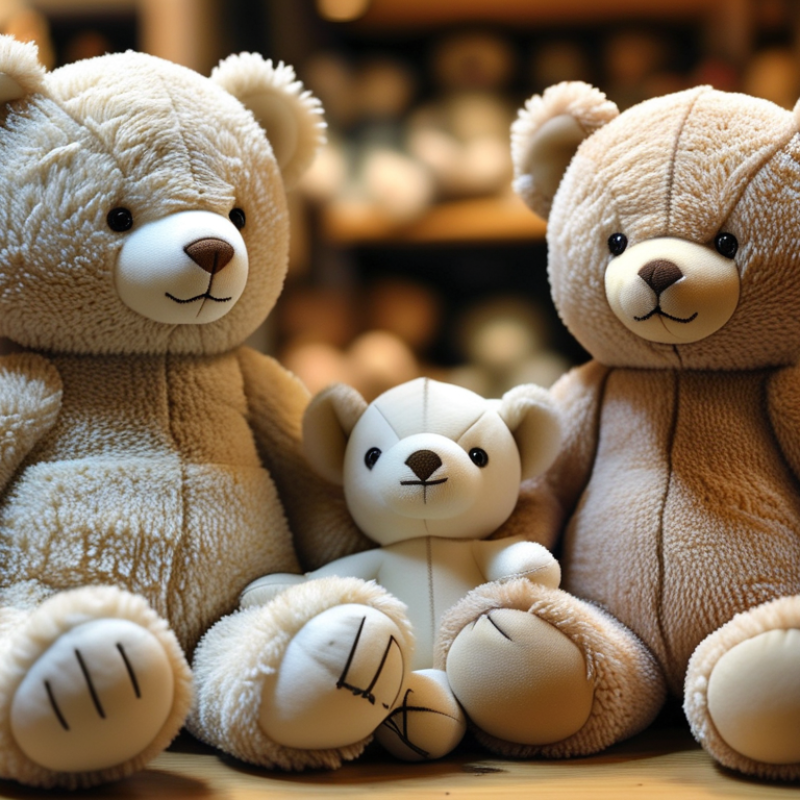
Inspect how the toy is constructed. Sturdy stitching can prevent the filling from escaping. Toys that are machine washable are often more hygienic for children. Take a moment to consider the emotions tied to plush toys. For many kids, these toys are comfort objects. Choose plush toys that are not only safe but also created with love and care. This thoughtful selection can provide both joy and security for your child.
Selecting Age-Appropriate Plush Toys for Different Development Stages
When selecting plush toys, considering age is crucial. Different developmental stages dictate what children can safely and effectively engage with. For infants under 12 months, secure options are essential. Soft toys without small parts are recommended. According to a report by the American Academy of Pediatrics, about 65% of injuries related to toys occur during this age. It’s vital to ensure toys are free from choking hazards.
As children grow, their interaction with toys evolves. For toddlers aged 1-3 years, toys that encourage imaginative play are valuable. Studies indicate that imaginative play fosters creativity and cognitive skills. Plush toys that can transform into various characters or shapes are stimulating. However, it’s worth noting that some toys marketed for this age group may not be durable. Parents should regularly inspect toys for wear.
Preschoolers aged 3-5 need toys that support social skills. Group play is common at this stage. Plush toys that can be shared during playdates can promote cooperation. According to a report from the Toy Industry Association, plush toys account for over 25% of all toy sales, showing their importance. Yet not all toys support communal play, so careful selection is necessary.
Exploring Material Options for Soft Plush Toys and Their Benefits
When choosing plush toys for kids, the material plays a crucial role. Soft plush toys can be made from various materials like polyester, cotton, or even organic fabrics. Each type has its benefits. For instance, polyester is durable and easy to clean. However, some polyester toys may not be as breathable. Cotton, on the other hand, is hypoallergenic but might not hold up as well in rough play.
Environmental concerns also come into play. Organic cotton toys are often preferred for their sustainability. Parents may feel more comfortable offering a toy that is safer for the environment. However, the higher price point can cause hesitation. It's essential to weigh these factors when making a decision.
Not all plush toys are stitched well, even many labeled as high-quality. Inadequate stitching can lead to safety hazards as plush toys wear out. Regular inspection for loose parts is necessary. Kids often develop attachments to their toys, so understanding material longevity helps parents make informed choices. Selecting the right material means considering comfort, safety, and durability for a child's playtime.