Leave Your Message
Sourcing the right Animals Toys requires more than choosing colorful products from a catalog. Buyers must understand how animals play, chew, chase, explore, and rest. A durable rubber ball may suit an energetic dog, while a soft puzzle toy may better serve a cautious indoor cat. Small details matter, including stitching, material texture, odor, noise, and cleaning requirements.
Animal behavior expert Dr. Temple Grandin has stated, “Animals are not things.” This simple sentence should guide every sourcing decision. A toy is not merely a product on a shelf. It becomes part of an animal’s daily environment. Responsible suppliers should consider species, body size, age, play intensity, and possible misuse. They should also request clear material information and product testing records. Trust begins with evidence.
This guide examines ten practical types of animal toys, from chew toys and interactive puzzles to fetch toys, teaser toys, plush designs, and habitat accessories. Each category offers different sourcing opportunities. Some encourage movement. Others support problem-solving or reduce boredom. A few may look attractive but provide little real enrichment. That is where judgment becomes necessary. Not every popular item deserves a place in your range.
The strongest product lists balance commercial appeal with animal welfare. They also recognize uncertainty. A toy labeled “durable” can still fail under powerful chewing. A quiet design may disappoint owners seeking engagement. Careful sampling, hands-on inspection, and feedback from animal professionals can reveal these weaknesses before purchase. Small tests prevent expensive mistakes. This introduction sets the foundation for comparing function, safety, demand, and sourcing value across the top ten Animals Toys categories.
What Are the Top 10 Types of Animal Toys to Source?
Define the Market: APPA Recorded $147 Billion in U.S. Pet Spending in 2023
The American Pet Products Association recorded $147 billion in U.S. pet spending during 2023. This figure signals strong demand, but it does not guarantee success for every toy category. Buyers should study pet size, household income, play habits, and replacement frequency. A durable toy may sell better than a cheaper item that breaks after one afternoon.
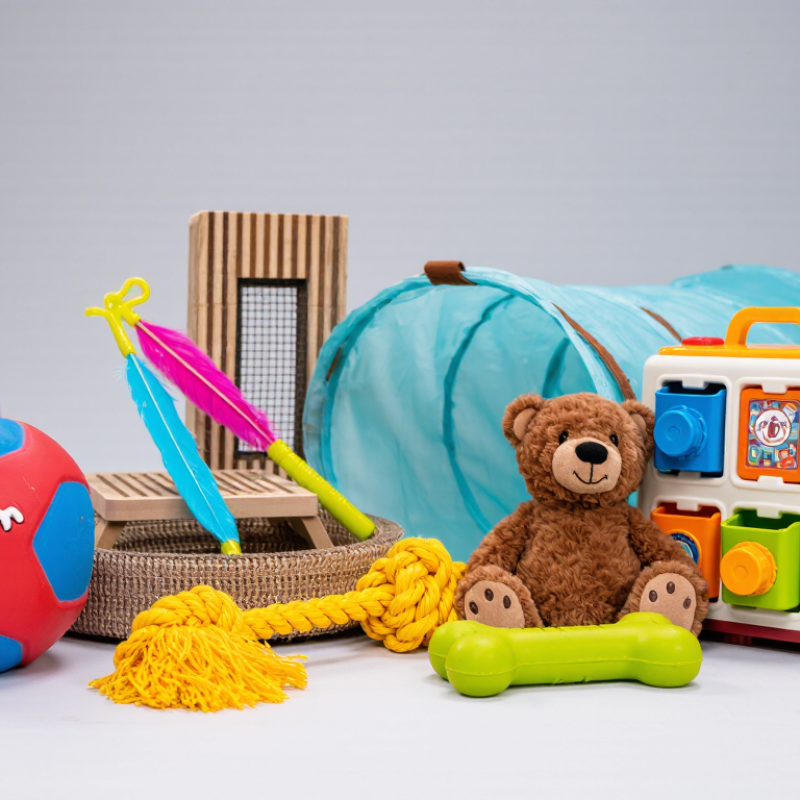
The ten practical categories include chew toys, fetch balls, rope toys, puzzle feeders, treat-dispensing toys, plush toys, interactive electronic toys, teaser wands, tunnels, and climbing structures. Each category serves a different behavior. A rubber chew toy suits a strong puppy, while a tunnel may attract an indoor cat. Small seams, loose threads, sharp edges, and detachable parts deserve careful inspection. Details matter.
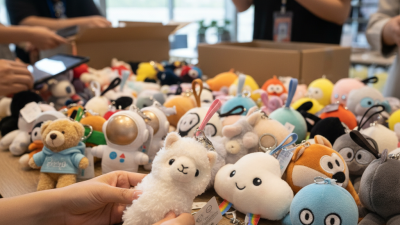
Sourcing decisions should combine product testing with supplier documentation. Request material specifications, sample testing, age guidance, cleaning instructions, and packaging warnings. Observe how a toy performs after repeated chewing, pulling, washing, and dropping. No toy is risk-free. I have seen attractive designs fail because their handles were uncomfortable or their stuffing escaped too easily. That weakness is worth acknowledging. Pet owners increasingly expect safer materials, useful functions, and clear information, not decoration alone. Regional regulations also differ, so importers must verify current requirements before placing large orders.
| No. | Toy Type | Primary Animal Segment | Core Consumer Need | Common Materials | Typical Product Formats | Key Sourcing Requirements | Market Positioning |
|---|---|---|---|---|---|---|---|
| 1 | Chew Toys | Dogs, puppies, rabbits | Chewing, oral engagement and boredom reduction | Natural rubber, nylon, thermoplastic rubber, wood-based materials | Rings, bones, sticks and textured dental shapes | Use non-toxic materials, secure construction and size options matched to animal size; avoid detachable parts. | Durability-focused and replacement-driven |
| 2 | Fetch Toys | Dogs | Exercise, retrieving instinct and owner-pet interaction | Rubber, foam, textile, thermoplastic elastomer | Balls, discs, launch-compatible toys and floating toys | Offer high-visibility colors, outdoor durability and floating designs where applicable; check ball size for safety. | Outdoor activity and active-lifestyle positioning |
| 3 | Tug Toys | Dogs | Interactive play, pulling activity and bonding | Cotton rope, woven fabric, rubber and reinforced textile | Rope toys, braided handles, fleece tugs and multi-knot designs | Reinforce seams and connection points; clearly disclose that damaged rope or fabric should be removed. | Interactive play and training-oriented |
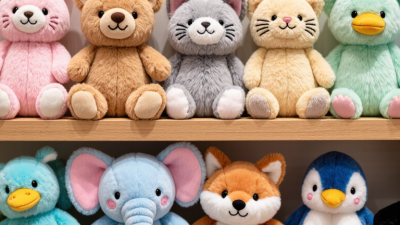
| 4 | Plush and Squeaky Toys | Dogs, cats and small companion animals | Comfort, carrying, play stimulation and sound response | Polyester fabric, cotton filling, canvas and thermoplastic squeakers | Animals, character-free shapes, comfort toys and squeaky figures | Use reinforced stitching, securely enclosed squeakers and washable fabrics; avoid loose eyes, ribbons and buttons. | Giftable, seasonal and comfort-led |
| 5 | Food-Dispensing Toys | Dogs, cats and small animals | Foraging, slower feeding and mental stimulation | Food-grade silicone, rubber, polypropylene and untreated wood | Fillable balls, treat cones, rolling dispensers and chewable feeders | Design smooth, cleanable interiors with appropriate openings; provide clear capacity and cleaning instructions. | Enrichment and functional feeding |
| 6 | Puzzle and Interactive Toys | Dogs, cats and birds | Problem-solving, attention and cognitive enrichment | Wood, food-contact plastics, silicone and fabric | Sliding compartments, lifting lids, treat puzzles and activity boards | Use progressive difficulty levels, stable bases and parts that cannot be swallowed; provide supervised-use guidance. | Premium enrichment and training support |
| 7 | Cat Wands and Chase Toys | Cats | Predatory play, movement and exercise | Wood or plastic rods, fabric, feathers and flexible cord | Wand teasers, feather attachments, ribbon toys and replaceable lures | Use securely attached components and advise supervised play; store corded toys out of reach after use. | Low-cost interactive play with attachment potential |
| 8 | Catnip and Scented Toys | Cats | Sensory stimulation, batting and independent play | Organic cotton, polyester fabric, dried catnip and matatabi materials | Filled pillows, plush mice, sachets and refillable toys | Protect filling from leakage, disclose ingredients and use durable closures; scent response varies among individual cats. | Small-format impulse purchase and repeat purchase |
| 9 | Habitat and Exercise Toys | Birds, hamsters, guinea pigs and rabbits | Climbing, chewing, balancing and environmental enrichment | Untreated wood, sisal, stainless steel, paper and food-safe plastics | Perches, ladders, tunnels, chew blocks, exercise wheels and hanging toys | Match dimensions to species; avoid toxic coatings, sharp edges, unsafe gaps and wheel designs with trapping hazards. | Habitat upgrade and welfare-focused |
| 10 | Electronic and Motion Toys | Cats and dogs | Independent activity, movement tracking and novelty | ABS plastic, silicone, rechargeable batteries and electronic components | Automatic rolling toys, motion-activated toys and interactive light toys | Include battery protection, stable housings, low-noise operation and clear charging and supervision instructions. | Technology-enhanced and premium |
| Market context: The American Pet Products Association reported approximately $147 billion in total U.S. pet industry expenditures for 2023. This figure covers the entire pet industry, including food, veterinary care, supplies, live-animal purchases and other services; it is not a toy-category sales figure. Toy types above are organized by common animal-use occasions and sourcing requirements rather than by individual company or brand performance. | |||||||