Top 10 Best Stuffed Animal Toys for Kids in 2026?
In 2026, the toy industry is evolving rapidly. Stuffed animal toys remain a beloved choice among children. Reports indicate that the global plush toy market is projected to reach $14 billion by 2026. Parents are increasingly investing in high-quality, safe, and innovative stuffed animals.
Today's stuffed animal toys come with features that engage children beyond traditional play. Many include interactive elements and educational benefits, addressing developmental needs. Factors such as safety certifications (like ISO and CE) have become crucial. Parents want assurance that these toys meet international safety standards.
Despite the industry’s growth, challenges arise. The rise of digital entertainment devices competes with plush toys. Additionally, consumers are calling for sustainability in toy production. Manufacturers need to reflect on their practices to ensure both quality and environmental responsibility. The future of stuffed animal toys will depend on creativity, safety, and sustainability.
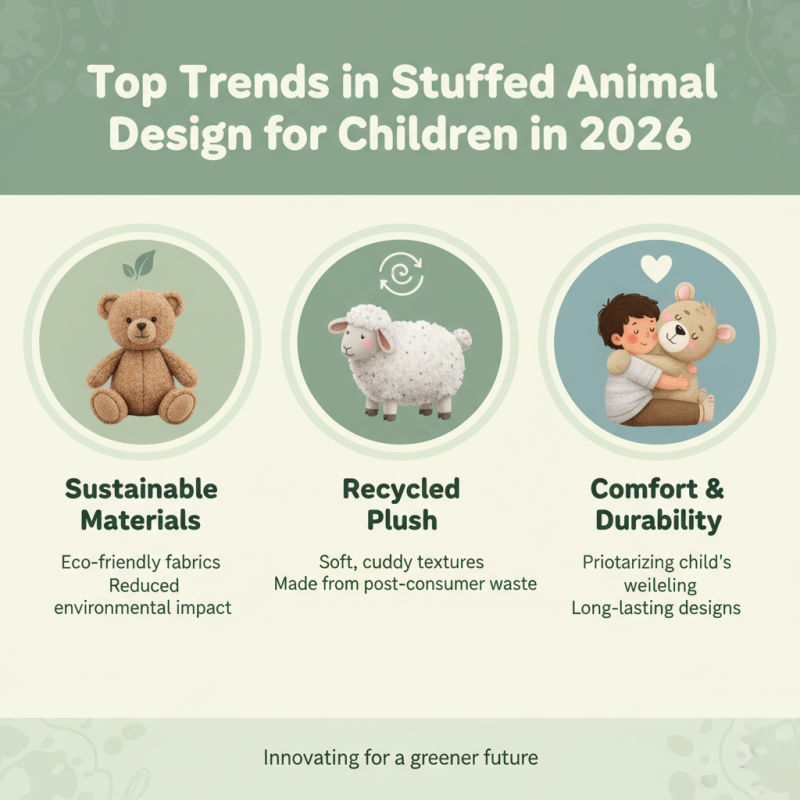
Top Trends in Stuffed Animal Design for Children in 2026
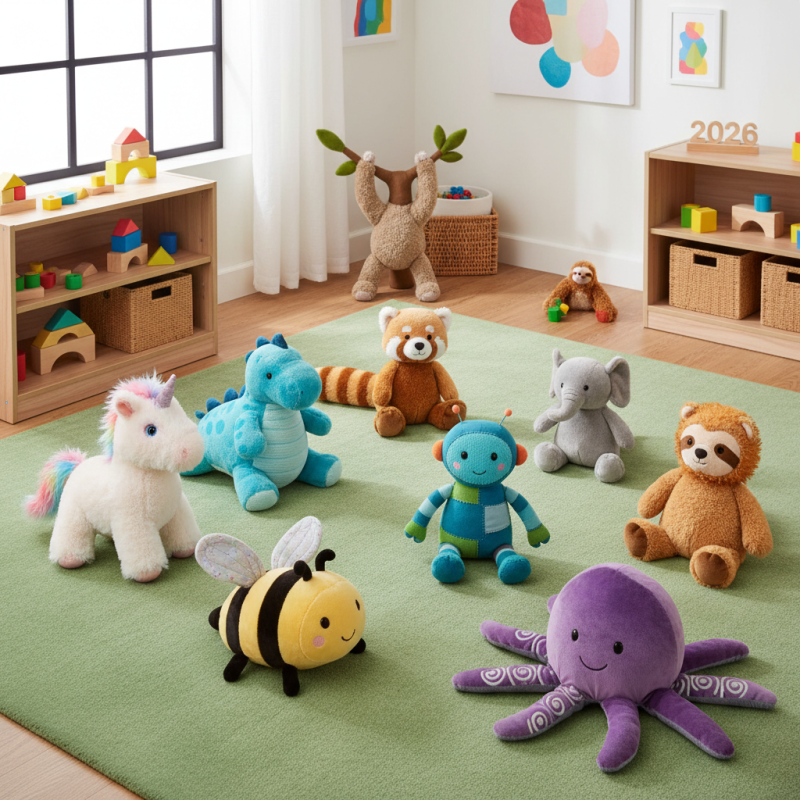
As the world of children's toys evolves, stuffed animal designs are becoming more innovative. In 2026, we see a focus on sustainable materials. Manufacturers are prioritizing eco-friendly fabrics. These choices reduce environmental impact while keeping comfort in mind. Kids will love soft, plush textures made from recycled materials.
Additionally, personalization is a major trend. Many toys now offer customizable features. Kids can choose colors and patterns that reflect their personalities. This adds sentimental value to their stuffed companions. Moreover, interactive designs are trending. Animal toys that respond to touch create engaging experiences. These toys can sing, hug back, or share cute phrases.
Tips: Look for toys that encourage imaginative play. Consider how the design promotes creativity. It’s crucial to select stuffed animals that are safe and age-appropriate. Not all toys are made equal; check for choking hazards or loose parts. Remember to engage your child in choosing their new friend, fostering a sense of ownership. Kids should feel a connection, so explore options together. Always reflect on the durability of the item. A cherished stuffed animal should last through rough play and adventures.
Material Safety Standards for Plush Toys: Ensuring Child Safety
Ensuring the safety of plush toys for children is critical. The material used in stuffed animals often impacts child safety. In a recent report by the American Society for Testing and Materials (ASTM), about 15% of plush toys failed safety tests due to harmful substances. This poses a significant risk to young children.
When purchasing stuffed animals, parents should look for certifications. Toys made from natural, non-toxic materials are preferable. Reports indicate that 73% of parents prioritize safety certifications when selecting toys. Those certifications ensure compliance with safety standards.
Interestingly, many plush toys are not adequately tested. For instance, a study showed that some toys still contain trace amounts of harmful chemicals. There is a constant need for improvement in material safety standards. Regular updates to these standards can lead to better protection for children. Parents and manufacturers must work together to advocate for stricter regulations. This collaboration can make a difference in creating safer play experiences.
Top 10 Best Stuffed Animal Toys for Kids in 2026
| Rank |
Toy Name |
Material |
Safety Certification |
Recommended Age |
Price ($) |
| 1 |
Cuddly Bear |
Organic Cotton |
ASTM, EN71 |
3+ |
29.99 |
| 2 |
Fuzzy Bunny |
Polyester |
CE, ISO 8124 |
2+ |
24.99 |
| 3 |
Sleepy Owl |
Recycled Materials |
ASTM, CPSIA |
1+ |
34.99 |
| 4 |
Zany Zebra |
Cotton Blend |
EN71, CPSIA |
3+ |
21.99 |
| 5 |
Cheerful Elephant |
Velvet |
ASTM, CE |
3+ |
28.99 |
| 6 |
Playful Panda |
Polyester Fiber |
CPSIA, ASTM |
2+ |
22.99 |
| 7 |
Cuddly Unicorn |
Synthetic Fur |
EN71, ASTM |
3+ |
35.99 |
| 8 |
Silly Frog |
Organic Cotton Blend |
CPSIA, ASTM |
1+ |
19.99 |
| 9 |
Gentle Giraffe |
Plush Fabric |
EN71, CE |
3+ |
32.99 |
| 10 |
Friendly Fox |
Cotton |
CPSIA, ASTM |
2+ |
27.99 |
The Role of Stuffed Animals in Child Development: Emotional and Social Skills
Stuffed animals play a significant role in child development, particularly in fostering emotional and social skills. Studies show that around 90% of children report having a favorite stuffed toy. These plush companions often serve as a source of comfort. For many kids, they provide a sense of security in unfamiliar situations.
Kids use stuffed animals to express feelings. They might confide their worries to these toys. This practice helps develop empathy and emotional intelligence. According to a report from the American Psychological Association, children who engage in role play with stuffed animals demonstrate stronger social skills. They learn to understand different perspectives and resolve conflicts creatively.
Tips: When selecting a stuffed animal, consider options that encourage imaginative play. Look for soft toys with varied textures and sounds. Ensure the toy is age-appropriate; younger kids need simpler designs. Inspire your child to create stories or scenarios involving their stuffed animals. This activity enhances language skills and boosts creativity. Remind children that it's okay to feel vulnerable with their toys. Embracing these emotions fosters resilience.
Market Analysis: Sales Growth in the Stuffed Animal Industry by 2026
The stuffed animal market is witnessing remarkable growth. By 2026, this industry's sales are expected to surge significantly. Consumer demand continues to rise, driven by nostalgia and the emotional connection children have with these toys. Many parents remember their own cherished stuffed animals. This nostalgia amplifies demand today.
Innovative designs are emerging in the stuffed animal sector. Some toys incorporate technology, providing interactive experiences for kids. These features make them more appealing. However, it's crucial to examine the implications of such changes. Are we losing the simplicity that makes stuffed animals so endearing? Some parents feel overwhelmed by the high-tech options. Many still prefer the classic soft toys that offer comfort without complications.
Sustainability is another trending theme in the industry. Eco-friendly materials attract environmentally conscious consumers. This shift prompts companies to rethink their sourcing practices. However, not all producers prioritize sustainability. It raises questions about the industry's commitment to ethical practices. As the market grows, it remains to be seen if these shifts will lead to a better future for stuffed animals.
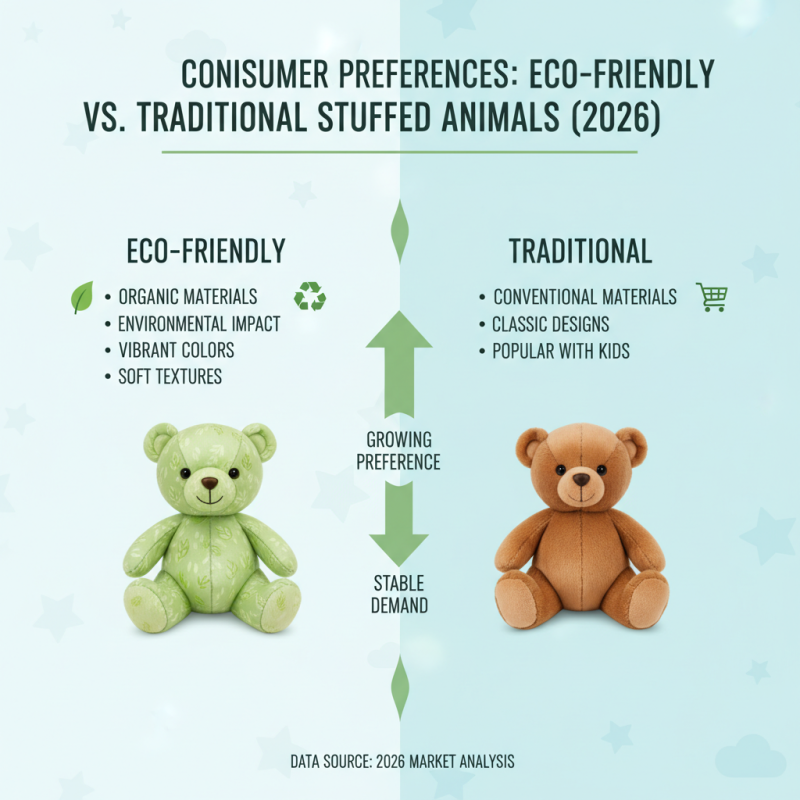
Consumer Preferences: Eco-friendly vs. Traditional Stuffed Animals in 2026
In 2026, the market for stuffed animals has evolved. Many parents now prefer eco-friendly options. These toys are often made from organic materials. They appeal to parents conscious of their environmental impact. Kids love these plush toys just as much as traditional ones. They come in vibrant colors and soft textures.
However, some concerns linger. Eco-friendly stuffed animals can be more expensive. Parents question if the cost is worth it. Additionally, the availability of these products varies. Not every store offers a wide selection. This leads some parents back to traditional stuffed animals. They are predictable, readily available, and often more affordable.
Consumers face a dilemma. Choosing between eco-friendliness and tradition is tough. Each option has its own merits and drawbacks. Some worry about the longevity of eco-friendly toys. Others appreciate their sustainable origins. As the market continues to grow, preferences may shift. The future of stuffed animals remains uncertain.