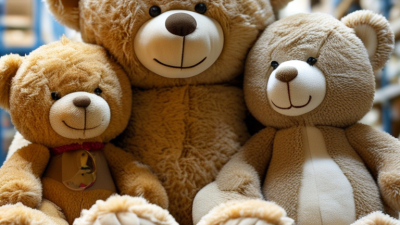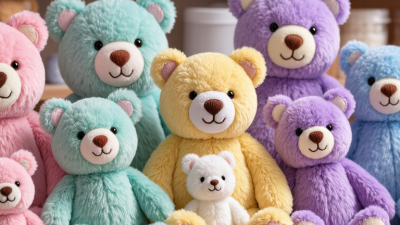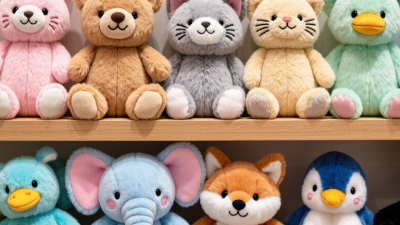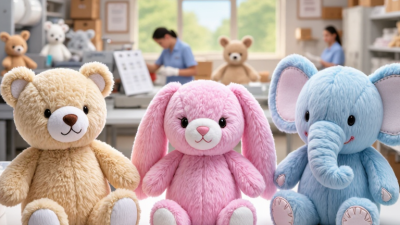
China has become a major sourcing destination for Soft Plush Toys, serving global brands, retailers, and independent designers. Its manufacturing base combines fabric expertise, embroidery skills, automated cutting, and flexible production lines. However, a large factory is not automatically the right partner.
As toy industry expert Richard Gottlieb has said, “Toys are not just products; they are part of a child’s development and a family’s memories.” This idea matters when evaluating Chinese manufacturers. A reliable supplier must understand softness, shape retention, secure stitching, washable materials, and age-appropriate design. Product safety should remain central, including material testing, labeling accuracy, and documented quality controls. Certificates alone are not enough. Factory practices require closer attention.
This guide introduces ten notable China Soft Plush Toys manufacturers for buyers seeking OEM, ODM, promotional, or retail-ready production. The selection considers manufacturing experience, customization ability, communication, sample development, quality inspection, and export support. Some companies may excel at character plush, while others perform better with baby toys, mascot designs, or large-volume orders.
The ranking is not absolute. Needs differ.
A startup may value low minimum quantities and patient sampling. A global retailer may prioritize stable capacity, audit readiness, and supply-chain transparency. Buyers should still verify current certifications, factory ownership, production capacity, and recent customer references. A polished website can hide practical weaknesses. Sampling is essential.
Expect a few imperfect details during development. Colors may shift slightly. Embroidery may need adjustment. Honest suppliers explain problems early and correct them clearly. That behavior often reveals more than impressive machinery. This overview is designed to support careful comparison, not replace independent due diligence.
What Defines a Leading Soft Plush Toy Manufacturer in China
A leading soft plush toy manufacturer is defined by more than attractive samples. Reliable factories control fabric selection, stuffing density, stitching strength, and surface cleanliness. They should provide clear material records and test reports for each product batch. Professional teams also understand age grading, flammability requirements, small-part risks, and regional safety standards. These details protect children and reduce costly delays. Factory visits or independent audits can reveal whether documented procedures match daily production.
Production consistency matters just as much. Experienced manufacturers use approved samples, color references, sewing patterns, and inspection checkpoints. They should explain how defects are handled, not simply promise perfect quality. In practice, even capable factories may miss a small color difference or uneven embroidery. That weakness deserves honest review. Strong communication, realistic lead times, and traceable corrective actions often separate dependable partners from attractive but unreliable suppliers. Custom design support is valuable, but technical judgment matters more than fast replies.
Tips: Request a pre-production sample and a measurable inspection standard. Check fabric composition, seam strength, filling recovery, and packaging details. Ask for recent test documentation, but verify its product scope and validity. Do not rely only on factory photos. A simple pilot order may expose problems before large production begins. Feedback should be written, specific, and easy to check.
China remains a major sourcing base for soft plush toys, supported by mature textile, embroidery, filling, and packaging supply chains. Grand View Research estimates that the global stuffed and plush toys market will continue expanding through 2030, driven by children’s products, collectibles, and personalized gifts. However, market growth does not prove factory capability. Buyers should verify production evidence, not rely on attractive catalog photos.
Start with factory audits, production history, and material traceability. Confirm whether polyester fiber, dyes, plastic eyes, and adhesives meet relevant requirements, including EN 71, ASTM F963, or ISO 8124, according to the destination market. SGS and Intertek testing reports can support reliability, but buyers should check sample numbers, test dates, and laboratory scope. Documents can be incomplete. That matters.
Evaluate stitching density, seam strength, embroidery accuracy, stuffing consistency, and washing performance. A useful sample review includes repeated compression, loose-thread checks, and pull testing on attached parts. The International Trade Centre highlights quality consistency and supply-chain transparency as important factors in manufactured-goods sourcing. Ask for in-line inspection records, corrective-action reports, and final inspection standards. One perfect sample is not enough.
Commercial terms also deserve careful comparison. Review minimum order quantities, tooling fees, sample lead times, production capacity, and defect-handling procedures. Sedex or amfori-style social compliance assessments may provide additional factory insight, although they cannot replace direct verification. Sustainability claims need evidence, such as recycled-content certificates, wastewater controls, and packaging records. A lower price may conceal weaker filling, slower rework, or higher inspection costs. Experienced buyers should leave room for doubt.
China’s top 10 soft plush toy manufacturers should be assessed by capability, not popularity alone. Reliable factories show clear experience with pattern design, fabric selection, stitching, stuffing, and final inspection. They can provide sample photos, production records, and material test reports. Experienced teams also explain minimum order quantities, lead times, packaging methods, and customization limits.
A dependable manufacturer should maintain traceable materials and documented quality procedures. Check whether fabrics, filling, embroidery, and attached parts meet relevant safety requirements for the target market. Factory visits or independent audits can reveal practical details, such as clean workstations, sealed storage bags, and organized inspection tables. However, no supplier is perfect. Minor color differences or uneven stitching may still appear during mass production. These risks require clear approval samples and written tolerance standards.
Tips: Request a complete prototype before placing a large order. Test softness, seam strength, filling balance, and wash performance. Ask for a small pilot batch first. Compare actual goods with approved samples, not only digital images. A strong supplier communicates quickly, but careful buyers should still verify every important detail. Shortcuts can become expensive later.
China Top 10 Soft Plush Toys Manufacturers: Product Capabilities and Customization Options Compared
When comparing leading soft plush toy manufacturers in China, product capability matters more than a polished catalog. Experienced factories usually handle sketches, 3D sampling, pattern development, cutting, sewing, filling, embroidery, and final inspection in one workflow. Ask for production photos, sample records, and material specifications. These details reveal practical experience better than sales claims.
Customization can include plush fabric length, color matching, stuffing density, facial embroidery, movable parts, woven labels, and retail packaging. A small bear may need firm filling for shape retention, while a sleeping animal may require softer, lighter stuffing. Manufacturers should also explain minimum order quantities, prototype costs, lead times, and revision limits. Clear answers indicate stronger project control. Vague promises create delays.
Safety documentation deserves close attention. Request test reports for fabric, dyes, thread, stuffing, and small components, according to the target market’s requirements. Reliable suppliers should maintain inspection procedures from incoming materials to carton packing. Sample approval is essential. Do not rely on digital images alone.
Not every prototype will be perfect.
A crooked eye, uneven seam, or overly dense fill can appear during sampling. That is normal, but the response matters. Professional teams record the defect, propose a correction, and update the production file. Buyers should also check color differences under natural light and inspect repeated samples, not just one attractive piece. Custom work improves through specific feedback, careful measurement, and honest communication.
Anonymized capability comparison based on common Chinese plush-toy manufacturing practices and published international toy-safety requirements.
| Profile | Primary Product Capability | Typical Materials | Common Size Range | Indicative MOQ | Sample Lead Time | Bulk Lead Time | Customization Options | Decoration Methods | Safety and Compliance Focus | Packaging Capability |
|---|---|---|---|---|---|---|---|---|---|---|
| Profile 01 | Standard animal plush toys | Polyester plush, PP cotton filling, embroidered thread | 15–60 cm | 500–1,000 pcs/design | 7–15 days | 25–45 days | Shape, color, fabric, size and woven labels | Embroidery, printed details, appliqué | EN 71, ASTM F963 and CPSIA testing support | Polybag, paper band and export carton |
| Profile 02 | Character and mascot plush | Short-pile plush, microfiber, polyester fiberfill | 20–80 cm | 1,000–2,000 pcs/design | 10–18 days | 30–50 days | Multi-part patterns, facial expressions, accessories | Appliqué, embroidery, heat-transfer graphics | Small-parts risk review and seam-strength checks | Custom color boxes, inserts and barcode labels |
| Profile 03 | Baby and comfort plush | Low-pile polyester, cotton blends, recycled filling options | 18–45 cm | 1,000–3,000 pcs/design | 12–20 days | 35–55 days | Washable construction, sensory textures and size grading | Secure embroidery, satin labels and fabric appliqué | EN 71-1/2/3, ASTM F963 and wash durability review | Wash-care labels, recyclable bags and retail cartons |
| Profile 04 | Luxury and premium plush | Long-pile plush, faux fur, weighted pellets when applicable | 25–100 cm | 500–1,500 pcs/design | 15–25 days | 40–60 days | High-detail sculpting, specialty fabrics and custom filling | Layered appliqué, embroidery and hand finishing | Fiber composition, flammability and weighted-component checks | Rigid gift boxes, tissue paper and protective inserts |
| Profile 05 | Promotional and event plush | Polyester plush, felt, non-woven accessories | 10–40 cm | 2,000–10,000 pcs/design | 7–12 days | 20–35 days | Logo placement, simplified patterns and promotional colors | Screen printing, embroidery and heat transfer | Age grading, labeling and production batch inspection | Bulk polybags, master cartons and pallet packing |
| Profile 06 | Interactive plush with simple electronics | Plush fabric, polyester filling, battery module housing | 20–50 cm | 1,000–3,000 pcs/design | 20–30 days | 45–70 days | Sound modules, LEDs, motion sensors and recorded audio | Embroidery, printed control panels and concealed zippers | Battery safety, EMC review, compartment security and toy testing | Battery warnings, instruction cards and retail-ready boxes |
| Profile 07 | Eco-focused plush products | Recycled polyester, organic cotton options, recycled filling | 15–60 cm | 1,000–3,000 pcs/design | 12–22 days | 35–60 days | Recycled-content specifications, natural colors and minimal packaging | Embroidery, cotton labels and low-ink printing | Material traceability and standard toy-safety testing | Recycled paper bands, FSC-style paper packaging and carton packing |
| Profile 08 | Mini plush, keychains and bag charms | Short-pile plush, polyester filling, metal or plastic hardware | 6–20 cm | 2,000–10,000 pcs/design | 8–15 days | 25–45 days | Small-scale details, clips, loops, tags and assorted colors | Embroidery, woven patches and heat-transfer details | Attachment strength, sharp-edge and small-component checks | Individual header cards, hang tags and counter displays |
| Profile 09 | Pillow and oversized plush | Velboa, coral fleece, polyester fiberfill | 35–150 cm | 300–1,000 pcs/design | 12–20 days | 30–50 days | Large-format patterns, removable covers and custom firmness | Digital printing, appliqué and embroidered artwork | Seam durability, filling distribution and flammability review | Vacuum compression, individual bags and oversized cartons |
| Profile 10 | Plush toys with apparel and accessories | Plush fabric, cotton or polyester garments, plastic accessories | 15–50 cm | 1,000–3,000 pcs/design | 15–25 days | 35–60 days | Removable clothing, themed sets, hats, shoes and props | Sewing, embroidery, printed fabric and hook-and-loop attachments | Toy testing plus accessory, colorfastness and choking-hazard review | Compartmentalized boxes, accessory bags and instruction leaflets |
A top-ten list can introduce Chinese plush toy manufacturers, but selection should begin with your product requirements. Define the toy’s size, fabric, filling, stitching, colors, and target age group. Ask each factory for recent samples, not only catalog photos. Examine seams, embroidery, stuffing density, and loose fibers under bright light. Small details often reveal production discipline.
Request clear material specifications and independent safety test reports for the intended market. Check whether the factory controls incoming fabric, cutting, sewing, filling, and final inspection. A reliable supplier should explain its inspection points without vague promises. Confirm minimum order quantities, sample fees, lead times, payment terms, and packaging dimensions in writing. Communication matters. Slow replies can become costly during revisions.
A factory visit, live video inspection, or third-party audit can reveal useful evidence. Look for organized workstations, labeled materials, clean storage, and traceable batch records. Ask how defects are recorded and corrected. Do not choose only by the lowest quotation. Cheap filling or weak thread may create returns later. A polished sample can still hide inconsistent mass production. No checklist is perfect. I would approve a small trial order before committing to a large quantity. Keep the approved sample, measurements, fabric swatches, and inspection standards together. That reference protects both sides when production changes.