Top Plush Throw Pillows Trends to Buy in 2026?
As we look ahead to 2026, interior design trends are shifting in intriguing ways. One statement piece that continues to stand out is the plush throw pillow. These cushions not only enhance comfort but also bring vibrancy and texture to any space. They serve a dual purpose, providing both aesthetic charm and functional support.
Plush throw pillows are versatile. They can be used to elevate a living room, bedroom, or even an outdoor patio. The materials used in their creation vary, but softness remains a key factor. Current trends suggest rich fabrics, bold patterns, and eco-friendly options will dominate the market. Homeowners are becoming more discerning, seeking quality and style in their décor choices.
Yet, as trends evolve, it’s important to reflect on personal style. Each plush throw pillow tells a story, adding a unique touch to every home. Some may over-indulge in novelty designs, losing sight of cohesiveness. Balancing trendy looks with personal taste can be challenging, but it’s essential for a harmonious living space. Embracing change while staying true to oneself is the heart of great design.
Top Trends in Plush Throw Pillows for Home Decor in 2026
In 2026, plush throw pillows are set to take center stage in home decor. Statistics show that the home decor market is expected to reach $1 trillion globally. As comfort remains a priority for consumers, plush materials are emerging as a preferred choice.
Neutral tones such as beige and soft gray are leading preferences. These colors create calming environments. Yet, bold patterns are gaining traction too. Fabrics with textures like boucle and velvet appeal to tactile senses, enhancing emotional connections to spaces. Industry experts note that 75% of consumers value the sensory experience of their home items.
Sustainability remains a key focus. Eco-friendly materials are increasingly popular. Reports indicate that 57% of consumers are willing to pay more for sustainable options. However, not all consumers see the value in higher-priced sustainable products. This gap in perception poses challenges for designers. Many must consider how to balance quality and affordability.
The Influence of Sustainable Materials on Plush Pillow Production
As we look ahead to 2026, the trend of sustainable materials in plush throw pillows is gaining momentum. Recent industry reports indicate that over 70% of consumers prefer eco-friendly products. This statistic mirrors a growing awareness about environmental impact. Many manufacturers are now exploring organic fibers and recycled materials, transforming the plush pillow market.
Bamboo, for example, offers a soft touch while being sustainable. It grows rapidly and requires minimal water. Moreover, it captures carbon effectively, making it a popular choice among eco-conscious brands. A report by the Sustainable Furnishings Council highlights that pillows made from sustainable materials can reduce carbon footprints by up to 30%.
While the shift is promising, challenges remain. Sourcing these materials can be costly and complex. Not all manufacturers can ensure consistent quality with sustainable options. Consumers must scrutinize product labels. Transparency is key to understanding the origins of softer, plush materials. As more people prioritize sustainability, the pressure on the industry will continue to grow, leading to potential innovations and improvements.
Color Palettes Dominating the Plush Throw Pillow Market in 2026
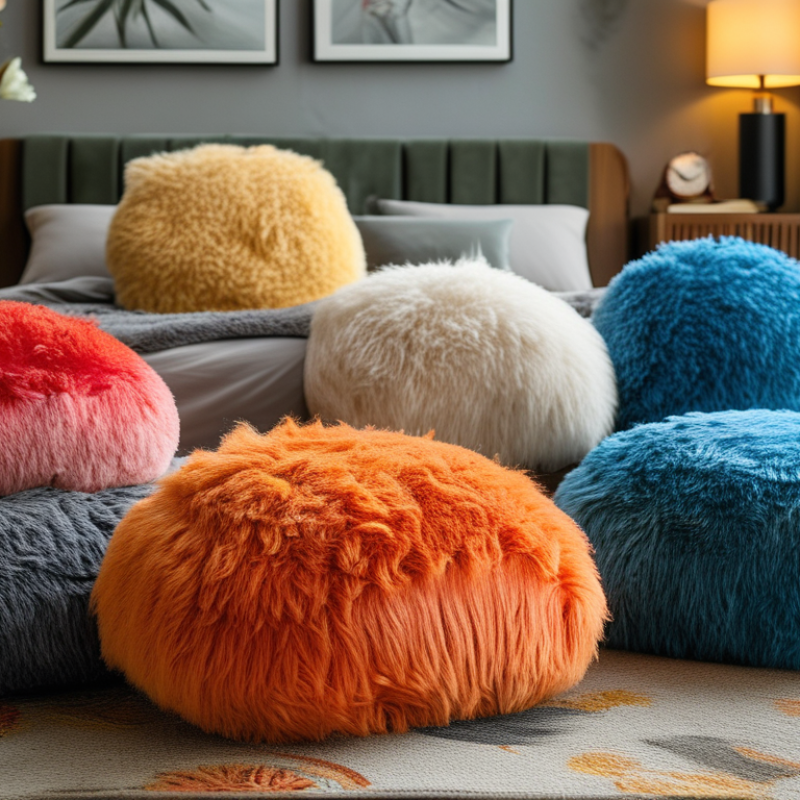
In 2026, the plush throw pillow market embraces a vibrant color palette, making it essential for homeowners to stay informed. Jewel tones like emerald green and sapphire blue are trending. These colors add elegance to any room. Meanwhile, softer shades such as blush pink and lavender bring a touch of calm. They create a welcoming atmosphere in living spaces.
Additionally, earthy tones are making a strong comeback. Deep terracotta and warm beige can ground a space while still feeling cozy. This is particularly appealing for minimalist decor enthusiasts. Color blocking is also popular. Combining contrasting colors can make a bold statement. Yet, the balance of hues is important. Too many vibrant colors can overwhelm.
Patterns are playing a role too. Geometric designs or floral prints in these trending colors can enhance the aesthetic. However, care must be taken when mixing patterns. It can easily tilt into chaos rather than harmony. The goal should be cohesion. This evolving landscape reflects consumer desires for personalization and style flexibility. Finding the right color can transform a space and elevate mood.
Top Plush Throw Pillows Trends to Buy in 2026
Consumer Preferences Shaping Plush Pillow Designs and Textures
As consumer preferences evolve, the demand for plush throw pillows reflects a broader trend. According to a recent industry report, over 70% of consumers prioritize comfort and tactile experiences when selecting pillows. The materials used are crucial. Velvet and faux fur are making significant gains. These textures offer a sensory appeal, aligning with the trend toward tactile comfort.
Design-wise, sustainability is becoming paramount. Around 55% of consumers are willing to pay more for eco-friendly materials. This shift is pushing companies to explore organic fabrics and recycled fillers. Innovative designs are surfacing, such as geometric patterns and bold colors, appealing to younger generations.
However, not all trends resonate with everyone. Some critics argue that the focus on texture can overshadow functional aspects. Pillows should also provide adequate support. This highlights a potential disconnect between aesthetic preferences and practical needs. Brands must navigate this landscape carefully to address both comfort and style.
The Role of Smart Fabrics in the Future of Plush Throw Pillows
The future of plush throw pillows is looking increasingly promising with the advent of smart fabrics. These advanced materials can enhance comfort and functionality. According to a recent market report, the smart textiles industry is projected to reach $6 billion by 2026. This growth suggests that homeowners will prioritize innovation in their decor choices.
Smart fabrics can adapt to temperature changes. They might keep you warm in winter and cool in summer. This adaptability is appealing and could redefine how we use throw pillows. The addition of sensors allows for real-time feedback on comfort. Such features may not be essential yet, but they raise interesting possibilities for interior design.
However, smart fabrics come with challenges. The durability of these materials needs more testing. Many consumers are also concerned about the maintenance of tech-enabled products. Striking a balance between technology and comfort remains crucial. As the trends evolve, the intersection between smart fabrics and plush throw pillows will require careful consideration from designers and consumers alike.
Top Plush Throw Pillows Trends to Buy in 2026? - The Role of Smart Fabrics in the Future of Plush Throw Pillows
| Trend |
Description |
Expected Impact |
Smart Fabric Feature |
| Eco-Friendly Materials |
Use of sustainable and recycled materials in production. |
Reduces environmental impact and increases consumer interest. |
Biodegradable fabric options. |
| Interactive Design |
Pillows that change color or pattern based on touch or temperature. |
Creates a playful and engaging home decor item. |
Thermochromic and photochromic fabrics. |
| Smart Comfort Features |
Temperature-regulating and moisture-wicking properties. |
Improves comfort for different climates. |
Phase change materials. |
| Tech Integration |
Incorporation of speakers and smart connectivity features. |
Enhances user experience through music and smart home integration. |
Built-in Bluetooth speakers. |
| Adjustable Loft |
Pillows with adjustable filling for custom support. |
Personalizes comfort for individual preferences. |
Smart sizing technology. |