Leave Your Message
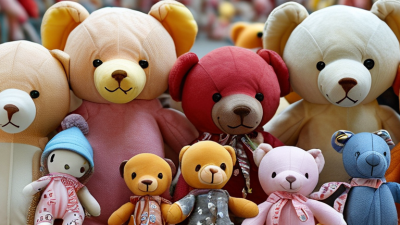
In 2026, global buyers will evaluate Stuffed Animal Toys through more than appearance. They will examine safety, material quality, emotional value, and market fit. Soft toys now sit in nurseries, gift shops, therapy rooms, and online collections. Their roles are changing.
Richard Gottlieb, CEO of Global Toy Experts, describes toys as “the tools of childhood.” This idea helps explain the next wave of plush products. Buyers are exploring realistic wildlife toys, calming weighted animals, miniature collectible plush, interactive companions, and culturally inspired designs. A realistic red panda may support nature education. A small, washable bunny may become a child’s daily comfort object. Details matter.
Material choices will remain important. Recycled polyester, embroidered facial features, secure stitching, and low-shed fabrics can strengthen buyer confidence. Suppliers should also provide clear testing records and age guidance for each market. Requirements differ across regions, so responsible sourcing cannot rely on attractive packaging alone. It needs evidence.
The strongest product types may combine softness with a clear purpose. That purpose could be comfort, learning, collecting, or imaginative play. Yet forecasts are never perfect. Some fashionable designs may disappear quickly. Others may succeed because children, not analysts, choose them. Global buyers should compare customer feedback, return rates, durability tests, and local preferences before placing large orders. This guide examines the leading Stuffed Animal Toys categories expected to influence international purchasing decisions in 2026.
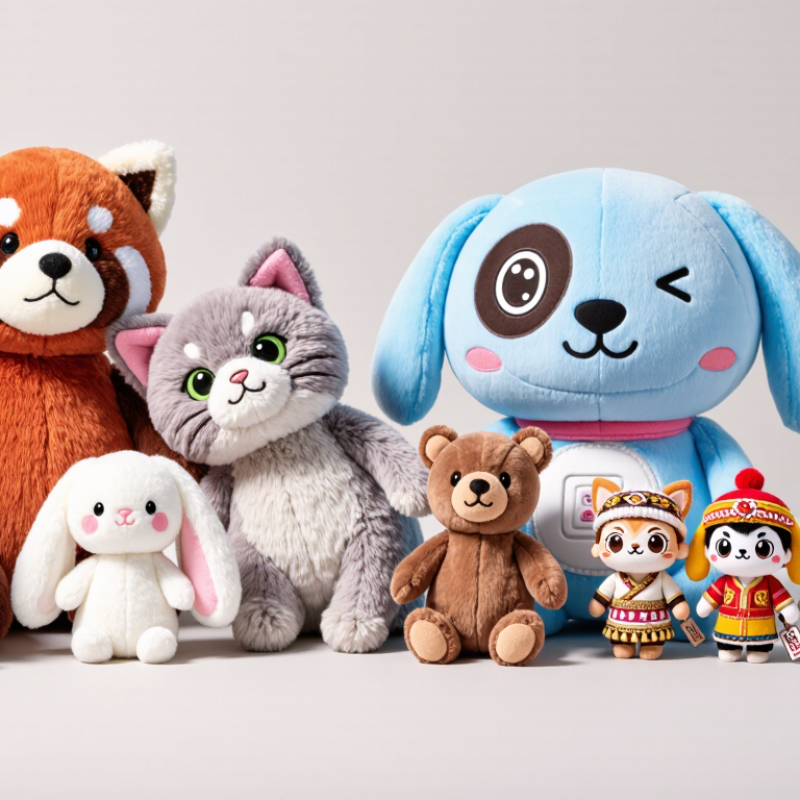
Global buyers are entering a plush toy market with measured momentum. IMARC projects a 5.7% CAGR through 2030, indicating steady expansion rather than a sudden boom. That forecast offers importers a useful planning signal, not a guaranteed sales result. Demand is spreading across classic bears, soft wildlife figures, miniature companions, and oversized comfort toys. Good assortment decisions begin with actual buyer behavior.
In practical sourcing reviews, texture often drives first contact. Velvet-like fabric attracts touch, while short plush simplifies cleaning and display. Embroidered facial details can reduce loose-part concerns, but they may limit visual expression. Washable designs suit nurseries, gift shops, and households with frequent handling. Small toys travel efficiently, yet larger animals create stronger shelf impact. Neither format wins everywhere.
The 5.7% projection should be read beside freight costs, income changes, and seasonal gifting patterns. Professional buyers should verify age grading, fiber content, seam strength, filling materials, and care labels before ordering. Independent laboratory reports and production samples provide stronger evidence than catalogue photos. Testing colorfastness after repeated washing is also sensible. A charming sample can disappoint in volume production. That lesson is easy to overlook. Forecasts contain uncertainty across very different regional markets. Use the growth estimate to guide experiments, then revise quantities after real sell-through data.
| Stuffed Animal Type | Typical Product Format | Primary Age Positioning | Common Materials & Features | Global Buyer Demand Drivers | Key Safety & Compliance Considerations |
|---|---|---|---|---|---|
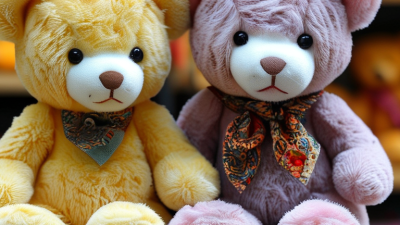
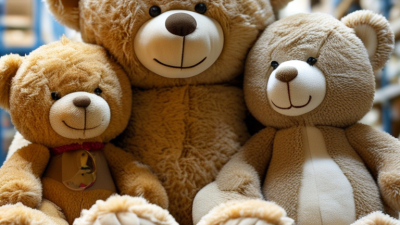
| Classic Teddy Bears | Traditional bear silhouettes in small, medium, and oversized formats | Infants, children, gift buyers, and collectors | Polyester plush, cotton or polyester filling, embroidered facial details, stitched or securely attached accessories | Broad cultural familiarity, gifting occasions, nursery decoration, and year-round retail demand | Secure eyes and noses, seam strength, stuffing access, flammability, and age grading |
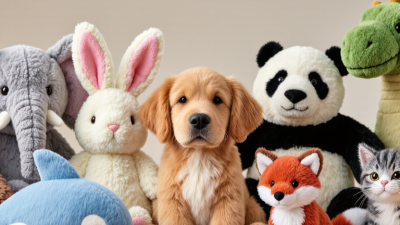
| Wildlife & Farm Animal Plush | Bears, rabbits, dogs, cats, elephants, lions, farm animals, and other recognizable species | Toddlers, preschool children, educational gift buyers, and zoo or museum visitors | Soft polyester fabrics, realistic or stylized forms, embroidered features, and washable surfaces | Interest in animals and nature, educational play, travel retail, and gifting versatility | Small-part testing, accessible filling prevention, fiber safety, labeling, and cleanability claims |
| Fantasy & Mythical Creatures | Dragons, unicorns, dinosaurs, monsters, and other imaginative animal forms | Children, tweens, collectors, and fantasy-themed gift purchasers | Long-pile or velour plush, decorative horns or wings, embroidered patterns, and bright color combinations | Imaginative play, collectible design, social-media visibility, and seasonal gifting | Attachment security for horns, wings, ribbons, and decorative elements; age grading is especially important |
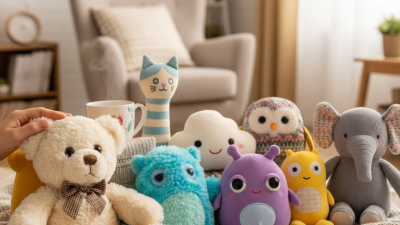
| Character-Style Plush | Original or generic expressive animal characters with distinctive facial styling | Children, teenagers, collectors, and novelty gift buyers | Soft plush fabrics, expressive embroidery, themed outfits, and multiple size options | Collectibility, personalization, impulse gifting, and strong visual appeal in online listings | Designs must avoid unauthorized copyrighted or trademarked elements; standard toy safety testing still applies |
| Sensory & Weighted Plush | Weighted animals, textured plush, heatable items, and sensory-focused comfort toys | Older children, teenagers, adults, and comfort-oriented gift buyers | Weighted inserts, varied textures, fleece or minky fabrics, removable covers, and calming color palettes | Comfort use, sensory engagement, relaxation routines, and demand for multifunctional plush products | Weight distribution, insert containment, wash instructions, temperature warnings for heatable products, and avoidance of unsupported medical claims |
| Interactive Plush Animals | Plush toys with sound, movement, lights, recording, or responsive functions | Toddlers, preschool children, older children, and technology-oriented gift buyers | Electronic modules, batteries, speakers, switches, washable outer shells, and programmable functions | Combination of traditional soft play and interactive entertainment, repeat engagement, and gift differentiation | Battery compartment security, button-cell battery controls, electrical testing, sound level, EMC requirements, and data privacy where connected functions are used |
| Organic & Sustainable Plush | Plush animals made with certified fibers, recycled fabrics, or reduced-packaging designs | Eco-conscious families, premium gift buyers, and specialty retailers | Organic cotton, recycled polyester, natural-fiber filling, recycled paper packaging, and minimalist labeling | Sustainability awareness, material traceability, premium positioning, and demand for lower-plastic packaging | Certification scope must be verified, recycled-content claims documented, dyes tested, and environmental statements accurately substantiated |
| Mini & Clip-On Plush | Small plush animals, bag charms, key-ring attachments, and pocket-sized collectibles | Older children, teenagers, adults, and impulse gift buyers | Compact polyester plush, metal or plastic clips, key rings, embroidered details, and collectible assortment formats | Portable gifting, accessory use, lower unit prices, assortment buying, and online impulse purchases | Small parts and strangulation risks, clip strength, sharp-point checks, metal composition, and clear age warnings |