Leave Your Message

What Are the Top Cute Plush Toys for Global Buyers?

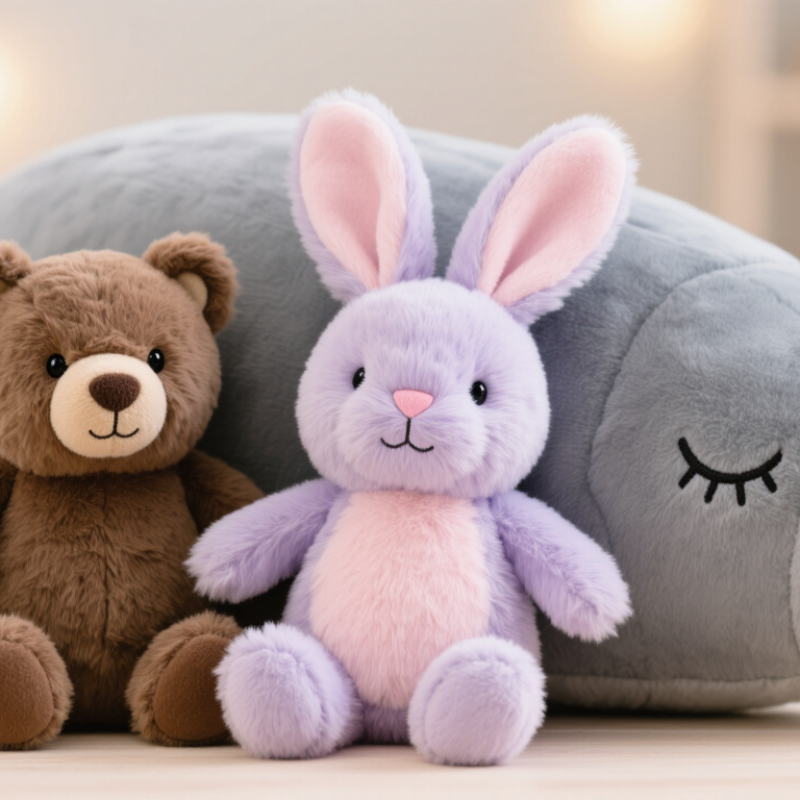
Cute Plush Toys continue to attract global buyers because they combine emotional comfort, visual charm, and practical gifting value. A small bear with embroidered eyes, a soft pastel rabbit, or a sleepy animal pillow can create an immediate emotional connection. Yet appearance alone is not enough. Buyers now examine fabric softness, seam strength, filling quality, washable construction, and age suitability. Safety matters everywhere.

Dr. Amanda Gummer, a respected child-development and toy expert, has said, “Toys are tools that help children learn and develop.” Her view gives plush products a broader purpose beyond decoration. The best Cute Plush Toys can encourage imaginative play, storytelling, emotional expression, and companionship. They also need dependable production standards, clear labeling, and responsible material choices. Global buyers should review testing documents, supplier experience, packaging details, and regional requirements before placing large orders.

The market is not flawless. Some charming designs use weak stitching. Others look soft but feel rough after washing. That difference matters. Cultural preferences can also be difficult to predict. A character that performs well in one country may feel unfamiliar elsewhere. This article explores popular plush categories, buyer expectations, material decisions, and practical sourcing clues. It also questions easy assumptions. Cute does not automatically mean valuable. A successful product must feel safe, durable, giftable, and emotionally memorable. Small details often decide whether a buyer reorders.
What Are the Top Cute Plush Toys for Global Buyers?

Market Scope: The $7.36B Stuffed-Plush Market, 8.4% CAGR (GVR)

Cute plush toys are becoming a serious global buying category, not merely a seasonal gift choice. Grand View Research estimates the stuffed-plush market at $7.36 billion, with an 8.4% CAGR. This growth reflects demand for comfort, collectible designs, nursery décor, and affordable emotional gifts. Animal characters remain popular, while food-shaped, fantasy, and pocket-sized plush toys attract younger buyers.

Softness matters. Yet appearance alone cannot support a reliable purchase. Buyer evaluations should examine fabric density, seam strength, filling consistency, washable construction, and secure attachment of small decorative parts.

Age guidance, fiber information, care instructions, and market-specific labeling also deserve close attention. Suppliers should provide credible safety documentation and repeatable quality records, rather than relying on attractive photographs.

Global preferences are not identical. Buyers in colder regions may prefer larger, heavier plush toys, while urban shoppers often choose compact designs for limited spaces. Sustainable fibers and reduced packaging can strengthen product appeal, but vague environmental claims deserve caution.

My own design preference can distort judgment; a charming face does not guarantee durable craftsmanship. That lesson is easy to forget. Practical testing, independent inspection, and feedback from local customers can reveal weaknesses before large orders are placed.
Top Categories: Animal, Character, Kawaii, and Interactive Plush

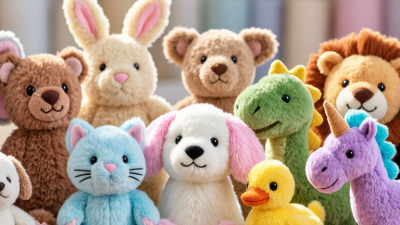
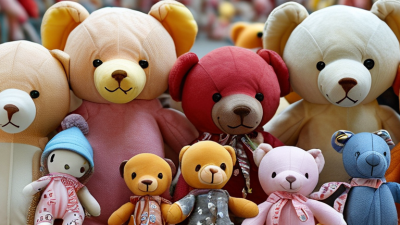
Global buyers are choosing plush toys that combine comfort, clear design, and gift appeal. Grand View Research estimates the global stuffed and plush toys market reached about USD 8 billion in 2023. Its outlook also indicates steady growth through 2030. Animal plush remains dependable because rabbits, bears, cats, and forest creatures cross language barriers. Character plush can create stronger emotional recognition, but buyers should check originality and age suitability. Kawaii designs work through large eyes, rounded shapes, soft colors, and tiny accessories. Cute wins attention quickly.

Interactive plush adds movement, sounds, or responsive features. Circana’s 2024 Global State of the Toy Industry report recorded approximately USD 108.7 billion in toy sales across twelve major markets during 2023. Sales declined by about 7 percent, making practical product choices more important. Interactive products need durable stitching, secure battery compartments, and easy-to-clean fabrics. Parents notice these details. Children notice the giggle first. Both views matter.

In my sourcing experience, a balanced range performs better than one oversized trend. Offer small animal plush for impulse gifts, character styles for collectors, and kawaii designs for social content. Add a limited interactive selection. Too many sounds may reduce repeat interest. That mistake is easy to make. Product pages should show scale, fabric texture, care instructions, and testing information. I would not rely on “cute” alone. Some buyers want a quiet companion, not another noisy gadget.

What Are the Top Cute Plush Toys for Global Buyers?

Category distribution in a 100-item sample of non-branded plush toy listings, classified by primary product type.

Animal plush toys form the largest category because they appeal across age groups and markets. Character and kawaii plush toys follow closely, while interactive plush toys represent a smaller but growing product segment focused on sound, movement, and sensory play.

Licensed Appeal: $356.5B Global Licensing Sales (Licensing Intl., 2023)

Cute plush toys are no longer simple shelf decorations. They are emotional products with strong retail potential.

The Licensing International 2023 Global Licensing Industry Study reported $356.5 billion in worldwide licensed merchandise and services sales. That figure shows why licensed appeal matters to global buyers.

For plush buyers, recognizable characters can reduce purchase hesitation. A familiar face may work in a bedroom, gift shop, or airport store. Grand View Research estimated the global stuffed and plush toys market at about $7.28 billion in 2023. Its forecast also points to continued growth through 2030. Buyers should still examine the details, not only the character.

Soft fabric, balanced filling, secure stitching, and washable surfaces affect repeat sales. A 20-centimeter plush fits small parcels and children’s shelves. Larger designs create stronger visual impact but increase freight costs. Licensed products also need verified authorization, accurate labels, and consistent quality control. These checks protect retailers and customers across different markets.

The data is encouraging, but not perfect. Licensing sales measure a broad industry, not plush toys alone. Market forecasts can also shift with exchange rates, shipping costs, and consumer confidence. I would test two sizes before placing a large order. One may sell quickly; the other may quietly collect dust. Seasonal colors and gift-ready packaging can help, but practical safety information remains essential.

Safety Filter: ASTM F963-23, EN 71, and CPSIA Compliance

Cute plush toys attract global buyers with soft textures, gentle faces, and comforting shapes. Yet appearance should never replace a serious safety filter. Buyers should check age grading, fabric construction, stuffing, dyes, and attached features before comparing design details.

For the United States, ASTM F963-23 addresses toy hazards such as flammability, surface coatings, accessible components, and sound-producing parts. CPSIA requirements also cover lead, phthalates, tracking labels, and testing records. A plush animal with embroidered eyes may reduce detachment risks, but its seams still need strength testing. Loose fibers can become a concern for younger children.

For European markets, EN 71 testing commonly examines mechanical and physical properties, flammability, and the migration of certain elements. Ask for current laboratory reports that match the exact toy, materials, and production batch. Do not rely on a generic certificate. It may describe an older version. A practical inspection includes pulling ears, checking stitching, smelling the fabric, and reviewing wash instructions. Small details matter. A pleasant scent is not proof of safety. Neither is a perfect photograph.

Requirements can vary by destination, age group, and product design. Buyers should confirm documentation with qualified laboratories or local compliance professionals. I would also leave room for doubt: standards evolve, suppliers change materials, and one successful test cannot represent every future shipment.

Global Buyer Matrix: Price, MOQ, Freight, and Regional Demand

What Are the Top Cute Plush Toys for Global Buyers?

Global buyers often compare animal plushies, food-shaped cushions, mini keychains, and pastel character toys. Price depends on fabric density, filling, embroidery, size, and packaging. A small 15-centimeter plush may cost less, but detailed stitching can raise the unit price quickly. Buyers should request samples before judging softness and appearance.

MOQ remains a major purchasing barrier. A factory may offer better pricing at 1,000 pieces, while smaller retailers need 100 to 300 units. Mixed colors can reduce inventory risk, although some suppliers charge extra handling fees. Freight changes quickly. Sea shipping suits large orders, while air freight works better for urgent samples or compact cartons. Carton size matters more than many buyers expect.

Regional demand is uneven. North American buyers often favor soft animal designs and gift-ready packaging. European retailers may prefer minimalist colors, washable fabrics, and smaller display sizes. In parts of Asia, collectible mini plush toys and seasonal designs can move faster. These patterns are useful, but not permanent.

A design popular last season may become slow stock. I have also seen buyers underestimate packaging volume, then lose their planned margin through freight costs.

A practical matrix should record unit price, MOQ, carton dimensions, shipping estimate, sample approval time, and expected regional demand. Quality checks should include seam strength, loose fibers, odor, filling consistency, and age-appropriate construction. Some supplier claims sound reassuring, but written specifications and inspection records remain more dependable.