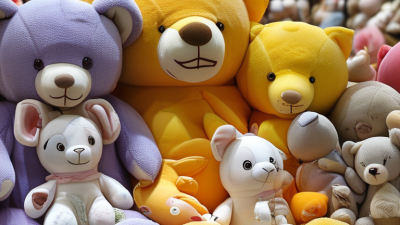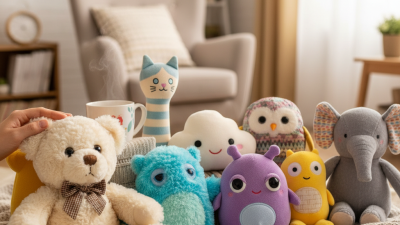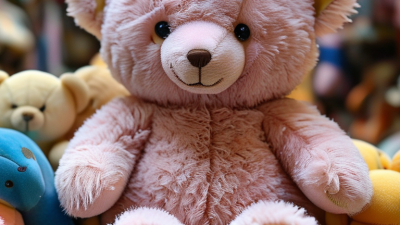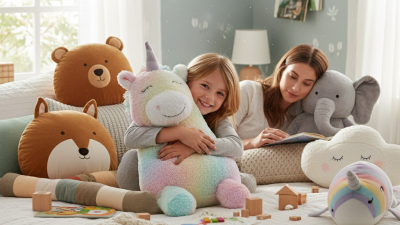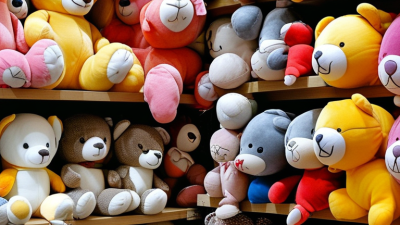
Big Plush Toys are oversized soft companions designed for comfort, decoration, imaginative play, and emotional connection. They may resemble bears, cats, dinosaurs, cartoon characters, or gentle fantasy creatures. Unlike small plush figures, these toys create a stronger physical presence. A large teddy bear can fill a child’s reading corner, support a tired back, or become the soft centerpiece of a bedroom.
Sharon John, former CEO of Build-A-Bear Workshop, has voiced a fitting industry principle: “Our mission is to add a little more heart to life.” That idea helps explain the appeal of Big Plush Toys. Their value is not measured only by fabric, stitching, or size. It also comes from touch, memory, and visible companionship. A child may drag one across the carpet every evening. An adult may place one beside a sofa after a difficult day. These ordinary moments build attachment.
Comfort matters. So does display value. Big Plush Toys can make a room feel warmer, especially when their textures are soft and their expressions look friendly. Parents and gift buyers also notice practical details, including washable covers, durable seams, filling quality, and age-appropriate construction. Still, popularity should not be confused with universal usefulness. Very large toys require storage, cleaning, and careful supervision around young children.
That part is easy to overlook.
The category continues to grow because it combines visual impact with emotional familiarity. Yet size alone does not create meaning. A well-made Big Plush Toy becomes popular when it feels safe, memorable, and personally chosen. This introduction examines what these toys are, why people keep buying them, and where their appeal may be less simple than it first appears.
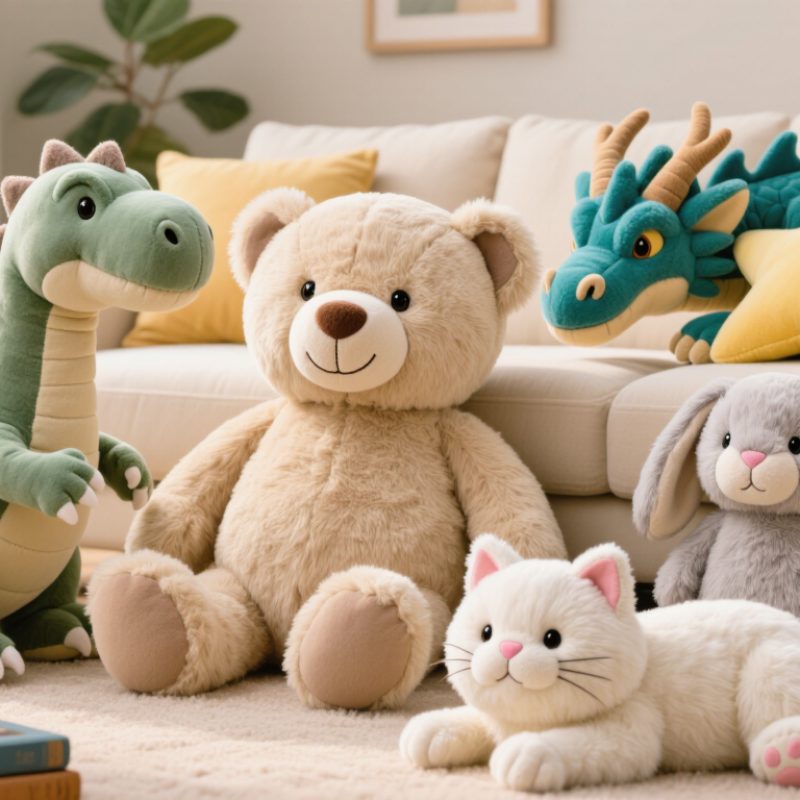
Big plush toys are oversized stuffed toys made from soft fabric and compressible filling. There is no universal size threshold. Retailers often describe them as large when they exceed ordinary cuddle dimensions, commonly from 60 centimeters upward. Their main features include a broad body, rounded shapes, visible stitching, embroidered details, and a filling that keeps the toy soft but stable. Some designs are made for hugging, while others function as bedroom decoration.
Market data shows why this category attracts attention. Grand View Research’s Stuffed Toys Market Size, Share and Trends Analysis Report identifies growing demand for soft toys, supported by comfort-focused products and home décor trends. The Toy Association’s consumer research also connects plush toys with emotional comfort and gifting. Size strengthens that effect. A large plush figure creates an immediate visual presence beside a bed, sofa, or reading chair. It feels more like a companion than a small accessory.
The category remains fuzzy. Bigger does not automatically mean better. A well-designed toy needs balanced stuffing, reinforced seams, washable fabric, and carefully secured features. SGS and Intertek testing guidance for textile and toy products highlights durability, flammability, and material safety as practical quality concerns. These details matter during daily use, especially when children squeeze, drag, or sleep beside the toy. Some oversized plush toys look impressive but collapse quickly. That is a design weakness worth acknowledging. Consumers should check dimensions, care instructions, filling recovery, and testing information before purchase.
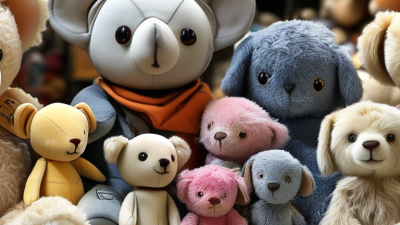
What Are Big Plush Toys and Why Are They Popular?
Oversized plush toys began as enlarged versions of familiar stuffed animals. Early designs used cotton filling and stitched fabric, while postwar production introduced softer synthetic fibers. By the 1980s, manufacturers explored larger shapes for bedrooms, gift displays, and emotional comfort. The design shift was practical, but not always elegant.
Grand View Research estimated the global stuffed toys market at about USD 11.8 billion in 2023. Its 2024 analysis also expects continued growth through 2030. Mordor Intelligence reported a similar expansion pattern, linking demand to online shopping, collectible culture, and children’s comfort products. These figures include many sizes, so they cannot measure oversized toys alone. That limitation matters.
Modern big plush toys often use reinforced seams, lighter filling, and removable covers. Designers must balance softness with weight. A one-meter plush toy can look inviting, yet it may occupy a surprising amount of floor space. Some products now use modular parts or washable fabrics, responding to small apartments and frequent cleaning. Tactile testing remains essential; a screen cannot show whether the fabric feels warm or merely shiny.
The visual language has also changed. Earlier toys copied real animals, while newer designs exaggerate heads, paws, and facial expressions. Social media encourages this scale because large objects create immediate photographs. Still, popularity does not prove good design. A huge toy with poor stitching becomes decorative clutter quickly.
Big plush toys are oversized stuffed toys designed for cuddling, decoration, or sensory comfort. Common types include giant animals, fantasy creatures, pillow-like characters, and soft dolls. Their appeal is physical. A large plush toy can fill a chair, support a child’s back, or create a noticeable bedroom feature. Some buyers also describe the weight and texture as calming, although personal responses differ.
Materials shape comfort and durability. Manufacturers commonly use polyester plush fabric, cotton blends, and polyester fiberfill. Recycled polyester is gaining attention, but it may not always feel equally soft. Cut-and-sew production remains common: workers or machines cut fabric panels, sew seams, add embroidery, and fill the body. Larger products often require stronger stitching around arms, ears, and seams. The 2024 Grand View Research report estimated the global stuffed toys market at about USD 11.98 billion in 2023, with continued growth through 2030. A separate 2024 market analysis from IMARC Group also forecast steady expansion, linking demand with gifting, home décor, and emotional comfort. These reports classify products differently, so their figures are not perfectly comparable.
Tips: Check seam strength, filling density, fabric labeling, and washable components. For children, inspect attached eyes and embroidered details. Bigger is not automatically better. Oversized toys can collect dust and need more storage space. In practice, a washable cover may matter more than impressive height.
What Are Big Plush Toys and Why Are They Popular?
Big plush toys are soft, oversized companions designed for hugging, decorating, and imaginative play. Their appeal reaches children, teenagers, and adults. A child may use one as a reading partner. An adult may place one beside a sofa for comfort or visual warmth.
Market data supports this wider appeal. The Toy Association and Circana reported that “kidults” represented about 25% of U.S. toy sales in 2023, worth approximately $9 billion. Meanwhile, Grand View Research’s 2024 plush toys market report projects continued global growth through 2030. These figures suggest that plush toys are no longer limited to children’s bedrooms. Their emotional value, tactile softness, and display potential matter across age groups. Still, market growth does not prove every large plush toy is useful.
Tips: Check the toy’s dimensions before buying. A 90-centimeter plush can dominate a small room. Look for durable stitching, washable fabric, and clearly stated filling materials. For young children, avoid loose parts and inspect seams regularly. Adults should also consider dust collection, especially in bedrooms. One overlooked issue is storage. Oversized toys can become awkward furniture surprisingly quickly.
Big plush toys also support personal expression. Some people choose gentle colors and rounded shapes. Others prefer unusual creatures that make a room feel playful. Their popularity may come from this flexible meaning. However, comfort is subjective, and bigger is not always better. A smaller plush toy can feel more practical, personal, and easier to maintain.
Why Big Plush Toys Are Popular Across Different Age Groups
| Age Group | Typical Size Preference | Common Uses | Reasons for Popularity | Features Often Valued | Important Considerations |
|---|---|---|---|---|---|
| Infants and Toddlers (0–3 years) |
Small to medium plush toys are generally easier to hold; oversized toys are more suitable for supervised floor play. | Comfort objects, supervised play, simple sensory exploration, and nursery decoration. | Soft textures and familiar shapes can provide comfort and encourage early imaginative interaction. | Soft fabric, embroidered details, washable covers, lightweight construction, and simple designs. | Avoid loose parts, accessible stuffing, long strings, and toys that may cover a child’s face. Follow the safety guidance and age rating on the product. |
| Children (4–8 years) |
Medium to large plush toys are popular because children can hug, carry, and include them in play. | Role-play, storytelling, pretend caregiving, bedroom decoration, and reading companions. | Large plush toys can become recognizable characters in imaginative games and provide a strong sense of companionship. | Animal or fantasy designs, expressive faces, durable seams, huggable filling, and easy-to-clean fabric. | Check stitching and filling regularly, especially when the toy is used frequently or taken outdoors. |
| Preteens (9–12 years) |
Large and oversized designs are often chosen for visual impact and personal expression. | Collection displays, room decoration, social sharing, gifting, and comfort during relaxation. | Distinctive shapes and humorous or cute designs help children express interests and personalize their spaces. | Unique silhouettes, detailed textures, themed designs, soft surfaces, and display-friendly proportions. | Consider available storage space and whether the filling and fabric can maintain their shape after repeated use. |
| Teenagers (13–17 years) |
Large plush toys are commonly selected as statement decorations or oversized comfort items. | Bedroom styling, collecting, gifting, relaxation, and use as pillows or decorative seating accents. | They combine emotional comfort with self-expression and can make a room feel more personal and inviting. | Trendy colors, distinctive designs, soft fabrics, photogenic appearance, and removable or washable covers. | Check dimensions before purchasing, particularly for dormitory rooms or shared bedrooms with limited space. |
| Young Adults (18–29 years) |
Large and oversized plush toys are often preferred when they serve both decorative and comfort purposes. | Home decoration, stress relief, gifting, collecting, and use as informal backrests or cushions. | Plush toys can create a cozy atmosphere and provide tactile comfort in bedrooms, apartments, and study areas. | Neutral or decorative colors, high-quality fabric, supportive filling, washable materials, and appealing design. | Evaluate cleaning requirements, material sensitivity, storage needs, and whether the toy is intended for display or frequent use. |
| Adults (30–59 years) |
Medium to large sizes are generally practical for home décor, relaxation, and sentimental use. | Interior decoration, gifts, family activities, relaxation, and keepsakes connected to memories or interests. | Soft furnishings can add warmth to a living space, while familiar designs may evoke nostalgia and emotional attachment. | Elegant styling, durable construction, hypoallergenic materials, neutral colors, and easy maintenance. | Look for clear material information, reliable seams, suitable dimensions, and laundering instructions. |
| Older Adults (60+ years) |
Medium-sized plush toys are often easier to move and maintain, while larger items may be used as stationary décor. | Comfort, home decoration, gifting, memory-related keepsakes, and companionship in personal spaces. | Soft textures, familiar animal forms, and nostalgic designs can support a comforting and welcoming environment. | Lightweight construction, soft washable fabric, stable shape, simple details, and easy handling. | Avoid designs that create tripping hazards, and choose materials that are simple to clean and do not shed easily. |
Note: “Big plush toys” is used here to describe plush toys that are noticeably larger than standard handheld toys. Size preferences vary by household, room size, purpose, and personal comfort.
Big plush toys are oversized stuffed figures, often chosen for comfort, decoration, or imaginative play. Their soft texture can make a reading corner feel warmer, while a large animal shape may support pretend games and storytelling. They also serve as visual accents in bedrooms, playrooms, and seasonal displays. Fortune Business Insights estimated the global plush toys market at about USD 7.28 billion in 2023, with continued growth expected through 2032. Grand View Research also forecasts steady expansion in the broader stuffed animal sector. The figures differ because research firms define the category differently.
Benefits depend on size, filling, and construction. A very large plush toy can offer calming pressure during quiet time, but it should not replace supervised care or approved sleep products for young children. Check seams, embroidered details, and loose fibers regularly. Small detachable parts create avoidable risks. Follow the sewn care label. Spot-clean surface marks with mild soap, then air-dry the toy completely. Do not store it while damp. Dust can collect deep inside oversized filling, and a washable cover is useful when available. Yet the research is not perfect. Marketing often presents plush toys as universally soothing, although children respond differently. Personal observation still matters: one child may hug it nightly, while another may find its bulk inconvenient.
Big plush toys are commonly described by their height, with larger sizes often used as cuddly companions, decorative accents, comfort objects, or statement gifts. Larger toys require more storage space and may need spot cleaning or removable-cover washing rather than machine washing.