How to Choose the Best Plush Stuffed Toys for Your Business?
Choosing the right plush stuffed toys for your business can be challenging. The market is filled with various options, making it hard to stand out. Quality plush stuffed toys not only attract customers but also create brand loyalty. Selecting the best ones requires a keen eye for details.
Consider the materials used in these toys. Safety is crucial, especially for children’s products. High-quality, non-toxic materials help build trust with your buyers. Additionally, think about the design and size. Unique features can set your plush stuffed toys apart from competitors.
It's essential to be aware of current trends too. What styles are popular? Which characters engage your target audience? Reflect on your brand's identity while making these decisions. A mismatch can confuse customers. Balancing creativity with practicality is vital in this process.
Understanding Your Target Market for Plush Stuffed Toys
When selecting plush stuffed toys for your business, understanding your target market is crucial. Identify the age group you want to reach. Younger children often prefer bright colors and characters from popular cartoons. Teenagers might lean towards more unique or collectible plush toys. Different age groups have different preferences, so cater to these variations.
Consider the interests and values of your audience. If your target market includes environmentally conscious consumers, eco-friendly materials might be a selling point. On the other hand, safety regulations are paramount in the toy industry. Ensure that all toys meet safety standards to build trust with your customers.
Engagement with your audience can provide valuable insights. Conduct surveys or run focus groups to gather feedback. Pay attention to both positive and negative responses. This can guide your product development. Not all ideas will resonate, and that's okay. Learning from the less successful concepts can lead to better offerings in the future.
Evaluating Quality and Safety Standards for Plush Toys
When choosing plush stuffed toys for your business, quality and safety are paramount. Look for toys made from non-toxic materials. Check if the fabric is soft yet durable. Ensure that the seams are tightly stitched to prevent any parts from coming loose. It is essential to examine the filling as well. Some materials can cause allergies or discomfort.
Safety standards vary by region. Familiarize yourself with guidelines and regulations. This ensures you meet necessary compliance. Look for certifications from reputable organizations. These can indicate that the toys passed stringent safety tests. Assess the designs, too. Avoid toys with small, detachable parts and sharp edges.
Sometimes, even reputable suppliers may have flaws. Investigate customer reviews for insights. Consider conducting your own tests on samples. This process may highlight potential issues. Regular audits of your plush toy inventory can reveal defects. It's crucial to stay vigilant. Prioritize quality and safety, as they directly impact your business reputation.
Exploring Different Types and Materials Used in Stuffed Toys
When choosing plush stuffed toys for your business, understanding the types and materials is key. Stuffed toys can be classified into several categories. Traditional plush toys made from soft fabrics offer classic appeal. They attract customers seeking comfort and nostalgia. Additionally, unique styles like animal plushies or cartoon characters can create a niche market.
Focusing on materials, the most common ones include cotton, polyester, and eco-friendly fabrics. Cotton is breathable and soft, enhancing comfort for young children. Polyester is durable and retains shape, making it ideal for long-lasting toys. However, there are concerns about synthetic materials and their environmental impact. Eco-friendly alternatives are gaining traction and can appeal to socially conscious consumers.
When choosing materials, think about safety too. Toy safety standards must be met to ensure a reliable product. Moreover, some materials may cause allergic reactions, which could lead to customer dissatisfaction. Understanding the balance between quality, safety, and environmental concerns is essential. Choices can sometimes feel overwhelming, highlighting the importance of thorough research and reflection.
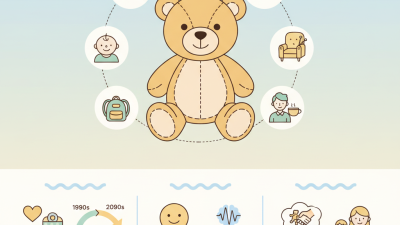
Types and Materials Used in Plush Stuffed Toys
Analyzing Price Points and Sourcing Options for Your Business
When sourcing plush stuffed toys for your business, price points are crucial. Quality often correlates with price, but not always. Many suppliers offer plush toys that meet safety standards without breaking the bank. However, balancing quality and cost can be tricky. Sometimes, a lower price might indicate poorer materials.
Exploring sourcing options is equally important. Local manufacturers could provide quicker turnaround times. In contrast, overseas suppliers often offer lower prices. But, consider shipping costs and delivery times. It’s not always clear which option is best. Sampling products before making bulk orders is essential. This helps ensure you receive items that match your expectations.
Evaluating your target audience is another factor. Are you aiming for high-end clients or budget-conscious customers? This question impacts your choice of plush toys. Research is vital. Some businesses find success through customer feedback. Others might need to adjust pricing based on market trends. Reflecting on these aspects can guide you toward more informed decisions.
Identifying Current Trends and Popular Themes in Plush Toys
When selecting plush stuffed toys for your business, understanding current trends is essential. According to a recent report by the Global Toy Industry, the plush toy market is projected to grow by 5.2% annually through 2026. This growth is driven by themes that resonate with children and collectors alike.
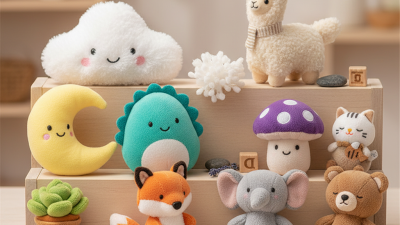
Popular themes currently include animals, fantasy characters, and educational toys. In particular, animal plush toys, such as llamas and sloths, have surged in popularity. These toys not only appeal to younger audiences but also attract adult collectors. Moreover, eco-friendly and sustainable materials are becoming a key purchasing factor. Many consumers prefer plush toys made from organic or recycled materials. This trend reflects a broader societal shift towards environmental awareness.
However, while trends are important, they can be fleeting. It’s crucial to assess your target market continually. Ignoring emerging interests can lead to stocks of outdated themes. Research shows that 70% of consumers are influenced by social media trends. Being adaptable is vital in this dynamic market. Taking time to evaluate these variables will improve your selection process and keep your offerings relevant.