2026 How to Choose the Perfect Plush Pillow for Ultimate Comfort?
Choosing the ideal plush pillow can significantly transform your sleeping experience. A plush pillow offers not only comfort but also support for your neck and spine. When searching for the right one, consider various factors. The fill material, size, and firmness all play crucial roles in ensuring restful sleep.
Many people underestimate the importance of a good pillow. The right plush pillow can alleviate discomfort and improve overall sleep quality. Different materials provide different sensations. Memory foam, down, or synthetic fills each have unique characteristics. Understanding these can help in making an informed decision.
Reflecting on personal preferences is vital. A plush pillow should resonate with your sleeping style. However, this can be a complex journey. The perfect balance between softness and support may take time to find. Experimentation and patience are key to achieving ultimate comfort.
Understanding the Different Types of Plush Pillows Available
When choosing a plush pillow, it’s essential to understand the various types available.
There are memory foam, down, and synthetic options to consider.
Each type offers distinct benefits aimed at enhancing your comfort.
For instance, memory foam shapes to your head and neck. It provides support and can alleviate pressure points.
Many people swear by it for a restful night's sleep.
Down pillows are soft and fluffy. They tend to cradle the head softly, making them a favorite for those who like to sink into their pillows.
However, they may not offer the same level of support as foam. Keep in mind; they can also require more maintenance to keep their shape.
Synthetic pillows are often hypoallergenic.
They are suitable for those with allergies, yet some find them less comfortable over time.
Choosing the right plush pillow involves personal preference.
Experimenting with different types can feel overwhelming. Consider your sleeping position and whether you prefer firm or soft support.
Don't hesitate to reflect on your choices. The perfect pillow may take time to find.
Pay attention to what feels right for your body as you seek ultimate comfort.
Key Factors to Consider When Choosing Pillow Fill Material
When selecting the right plush pillow, fill material is crucial for comfort. The fill impacts support, softness, and even temperature regulation. According to industry research, nearly 65% of consumers report that the fill type directly affects their sleep quality.
Down feathers are a popular choice. They offer a soft, luxurious feel. On the downside, they can trap heat, making them less ideal for hot sleepers. In contrast, memory foam provides excellent support. However, it can feel too firm for some. Statistics show that around 40% of pillow users prefer natural materials for breathability.
Synthetic fillers, like polyester, are budget-friendly. They mimic down but often lack longevity. Durability is a concern, as about 30% of these pillows flatten after a few months. Ideally, choose a fill that matches your sleeping style and personal preferences. Reflecting on your needs can guide you to a pillow that balances comfort and support.
2026 How to Choose the Perfect Plush Pillow for Ultimate Comfort? - Key Factors to Consider When Choosing Pillow Fill Material
| Pillow Fill Material |
Comfort Level |
Support Quality |
Durability |
Price Range |
| Memory Foam |
High |
Excellent |
5-10 Years |
$50 - $150 |
| Down |
Very High |
Good |
3-6 Years |
$100 - $300 |
| Latex |
High |
Very Good |
5-7 Years |
$70 - $200 |
| Polyester Fiber |
Medium |
Fair |
1-2 Years |
$20 - $60 |
| Buckwheat |
Medium to High |
Good |
3-5 Years |
$40 - $120 |
Evaluating Pillow Size and Shape for Optimal Support
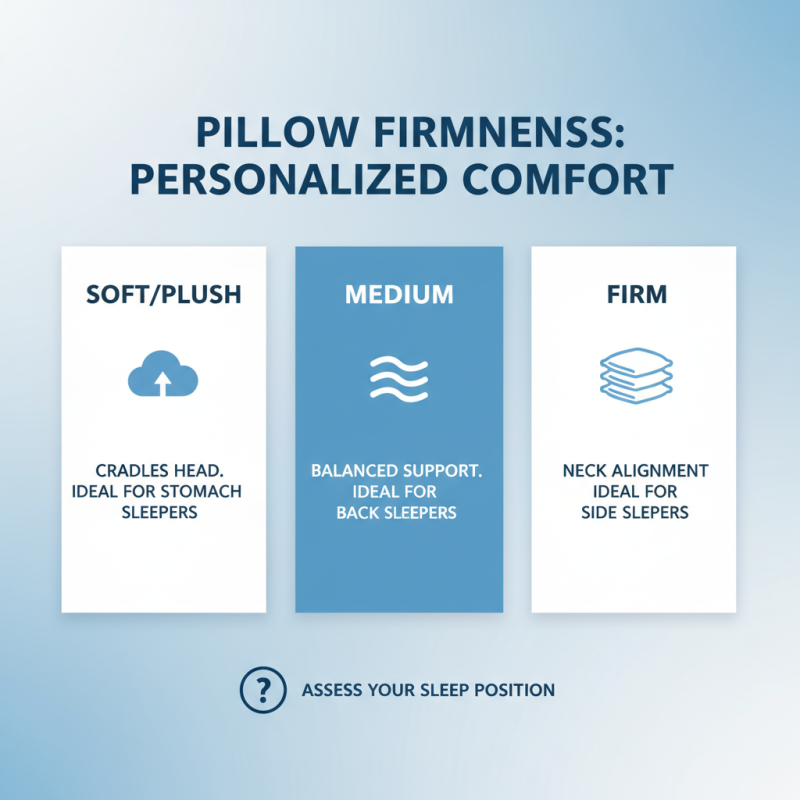
When choosing the right plush pillow, size and shape significantly impact support and comfort. According to the Sleep Foundation, the standard pillow size is about 20 x 26 inches. However, various sizes cater to different sleeping positions. For instance, side sleepers may require a thicker and firmer option, while back sleepers benefit from a medium loft design.
Shape also plays a critical role in align the spine. A contour pillow is excellent for neck support, keeping the head aligned with the spine. On the other hand, traditional shapes might not offer the same level of support. Research indicates that 61% of individuals report discomfort from pillows that do not conform to body contours. This suggests that choosing the right shape might be more crucial than previously considered.
One must think critically about personal needs. While some prefer soft, plush feels, others seek firmness for neck alignment. It's common for people to overlook the significance of proper support, leading to restless nights. The choice of pillow isn’t just about comfort; it affects overall sleep quality and health. Consider also the materials used; memory foam and gel-infused options can enhance support but may feel too hot for some. Each factor is essential in the quest for the perfect plush pillow.
Maintenance Tips for Keeping Your Plush Pillow in Top Condition
Proper maintenance of a plush pillow is key to ensuring long-lasting comfort. According to a report by the Sleep Foundation, pillows should be replaced every 1-2 years. However, with the right care, your plush pillow can last much longer. Regular fluffing maintains its shape. This simple act redistributes the filling and helps prevent lumps. Remember to fluff your pillow daily.
Keeping your plush pillow clean is essential. Most experts recommend washing pillow covers every 2-4 weeks. This helps remove dust mites and allergens. For the pillow itself, check the care label. Some may be machine washable, while others require hand washing. A gentle detergent is best to maintain the fabric's integrity. Avoid harsh chemicals that could damage the materials.
Storage also impacts your plush pillow's lifespan. When not in use, store it in a breathable bag to prevent moisture buildup. This can lead to mold or mildew. Keeping your pillow in a cool, dry place minimizes this risk. Furthermore, consider the environment. Extreme temperatures can affect the materials inside. Maintaining these factors can help preserve comfort and hygiene over time.