Leave Your Message

7 Best Weighted Plush Toys for Kids and Adults

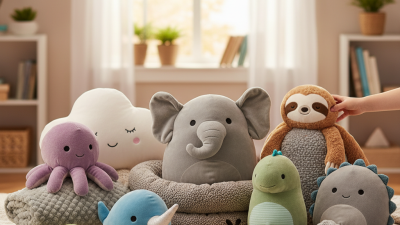
Weighted plush toys can offer a comforting mix of softness and gentle pressure, but the right choice depends on the person using it. A child may love a floppy dinosaur that rests across their lap. An adult might prefer a compact, smooth-bodied animal for quiet breaks at home. Small details matter: fabric, seams, weight distribution, and whether the toy is easy to hold.

Occupational therapist and sensory-processing researcher Dr. Winnie Dunn’s work emphasizes that sensory preferences differ. A concise summary of that principle is: “Comfort is personal, not one-size-fits-all.” That idea guides this look at seven Weighted Plush Toys for kids and adults. We consider design, stated weight, materials, care instructions, and the maker’s age guidance—not just how cute a toy looks in a photograph. Cute matters, too. Just not by itself.

A weighted plush toy is not a treatment, and a heavier toy is not automatically a better one. Check the manufacturer’s guidance, especially for children, and choose a toy the user can move comfortably. Notice whether its weight feels evenly distributed, or gathers awkwardly in one spot. And be honest about uncertainty: product descriptions cannot tell you exactly how a toy will feel against someone’s body. That is where careful comparison—and, when possible, trying the toy—can help. The best pick is the one that feels reassuring without getting in the way.
7 Best Weighted Plush Toys for Kids and Adults

What Weighted Plush Toys Are and How They Work

Weighted plush toys combine a soft animal shape with evenly distributed filling. The filling may include securely enclosed beads, pellets, or other approved materials. Their extra weight creates gentle pressure when the toy rests on a lap, chest, or arms. The pressure is gentle. Many people find this input calming because it may support body awareness and reduce restless movement. That distinction matters.

Occupational therapy guidance often describes deep pressure as one possible sensory strategy, not a guaranteed treatment. A useful seven-item shortlist might include lap-sized animals, handheld cuddle toys, shoulder-friendly shapes, small travel plushies, long body pillows, cooling weighted toys, and washable designs. Each works differently. A lap toy offers stable pressure, while a handheld toy adds texture and repetitive squeezing. Weight should match the user’s size, age, strength, and comfort. Follow the product’s instructions carefully.

I would not call every heavy plush toy therapeutic. That wording can mislead families. Choose stitched, sealed construction, washable fabric, and clear age guidance. Check the seams often, especially after frequent squeezing. Children should use weighted plush toys with adult supervision, and the toy must never cover the face or restrict breathing. Avoid using one during sleep unless a qualified professional and the manufacturer specifically allow it. Some users relax quickly; others feel uncomfortable or overheated. A short trial is sensible. Ask how the pressure feels. If discomfort, numbness, anxiety, or breathing difficulty appears, remove the toy immediately.
Potential Benefits for Kids and Adults

Potential Benefits for Kids and Adults

A weighted plush toy can offer gentle pressure and a soft, familiar texture. Some people find these sensations calming during quiet activities, such as reading or winding down after a busy day. A child might hold one while listening to a story; an adult may keep one nearby during a short screen break. The familiar weight can also become part of a comforting routine. Small comfort matters. Still, responses differ, and research on weighted plush toys specifically is limited. They are not a treatment for anxiety, sleep problems, or sensory needs.

For children, a plush toy may support a quiet moment or offer a reassuring object in an unfamiliar setting. For adults, it may make a rest break feel more deliberate. These effects are personal, not guaranteed. Not magic. I would treat the toy as one possible comfort, rather than assuming it will work for everyone. It should feel easy to move and should never restrict breathing or movement.

Tips: Check the age and weight guidance before use, and choose a size the user can move independently. Start with brief, supervised use for children, then notice whether they seem comfortable. Stop if the toy feels too heavy, warm, or awkward. Ask a healthcare professional for guidance if there are breathing, mobility, or other health concerns.

How to Choose a Weighted Plush Toy Safely

Choosing a weighted plush toy safely starts with the child, not the toy’s advertised weight. Check the maker’s age guidance, product label, stitching, and cleaning instructions. The filling should stay enclosed, with no loose beads, hard parts, or small pieces that could come free. Give the toy a firm tug around its seams. Then inspect it regularly; wear happens.

Weight deserves caution. A plush toy should feel comfortable to hold, not restrict breathing, movement, or a child’s ability to remove it. The American Academy of Pediatrics’ 2022 safe-sleep recommendations advise against weighted blankets and other weighted sleep products for infants. That guidance concerns sleep products, but it is a useful reminder: do not place a weighted toy in an infant’s sleep space. For older children, avoid using one during sleep unless a qualified health professional advises otherwise. Ask a pediatrician or occupational therapist if a child has breathing, mobility, sensory, or medical concerns. Not every child responds the same way.

Try the toy while the child is awake and supervised. Watch for discomfort, skin irritation, overheating, or difficulty lifting it away. A child should be able to put it down easily. If they cannot, choose a lighter option. I’d also recheck the label after washing; filling can shift, and a once-comfortable toy may not feel the same.

Seven Best Weighted Plush Toys for Kids and Adults

Seven Best Weighted Plush Toys for Kids and Adults

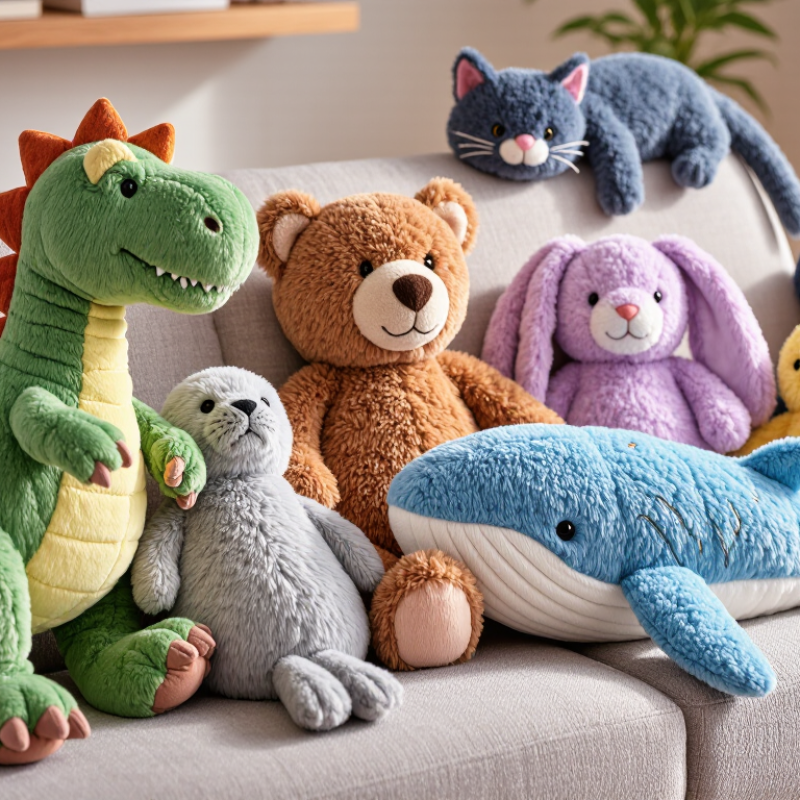
The seven best weighted plush toys differ by shape, fabric, filling, and intended use. In my experience, a small weighted bear works well for children who enjoy gentle pressure during quiet reading. A lap-sized cat suits older children and adults who want a calming companion at a desk. Long, microwavable-style plush animals can rest across the shoulders, but they require careful temperature checks. They can feel reassuring.

A weighted dinosaur offers playful comfort without looking too babyish. A soft, round whale spreads pressure evenly across the lap. For bedtime, a narrow koala may be easier to hold without covering the face. The seventh choice is a weighted pillow plush, which supports the arms during travel or relaxation. Weight should match the user’s size and comfort, not just the toy’s appearance. Check stitched seams and filling regularly. Young children need adult supervision, especially around loose parts or damaged fabric. Weighted toys should never replace medical care or be placed over an infant’s face. I once assumed heavier meant better, but that was a mistake; excessive pressure quickly became uncomfortable. Washable covers also matter because plush toys collect dust, crumbs, and moisture. Choose slowly, and watch how the user actually responds.

These bars show illustrative weight options and their exact kilogram conversions (1 lb = 0.45359237 kg); they are not a ranking or a product comparison. Choose a comfortable weight for the user, and follow age and safety guidance.

Cleaning and Caring for Weighted Plush Toys

Cleaning a weighted plush toy starts with its care label, not guesswork. Some toys contain removable weighted inserts, while others have sealed filling. I check the seams, eyes, and fabric before washing. Loose stitching can worsen inside a machine. A small tear matters.

For light dust, I use a soft brush or vacuum with a fabric attachment. For spots, I dab lukewarm water and mild, fragrance-free detergent onto a cloth. I avoid soaking the toy unless the instructions allow it. Water can collect around dense filling and stay damp longer than expected. Never twist it hard. Press gently between clean towels instead.

If machine washing is approved, I place the toy in a mesh laundry bag and choose a gentle, cool cycle. I remove any insert beforehand. Bleach, fabric softener, and strong scents may irritate sensitive skin. After washing, I reshape the plush and air-dry it flat in a ventilated room. Check the center, not just the surface. It should feel completely dry. I inspect weighted plush toys weekly, especially those used nightly. I look for broken seams, exposed filling, damp patches, or unusual odor. I once missed a tiny seam opening near an arm. It grew after washing. Storage also matters: keep the toy away from pets, spills, and direct sunlight. A simple calendar reminder helps.